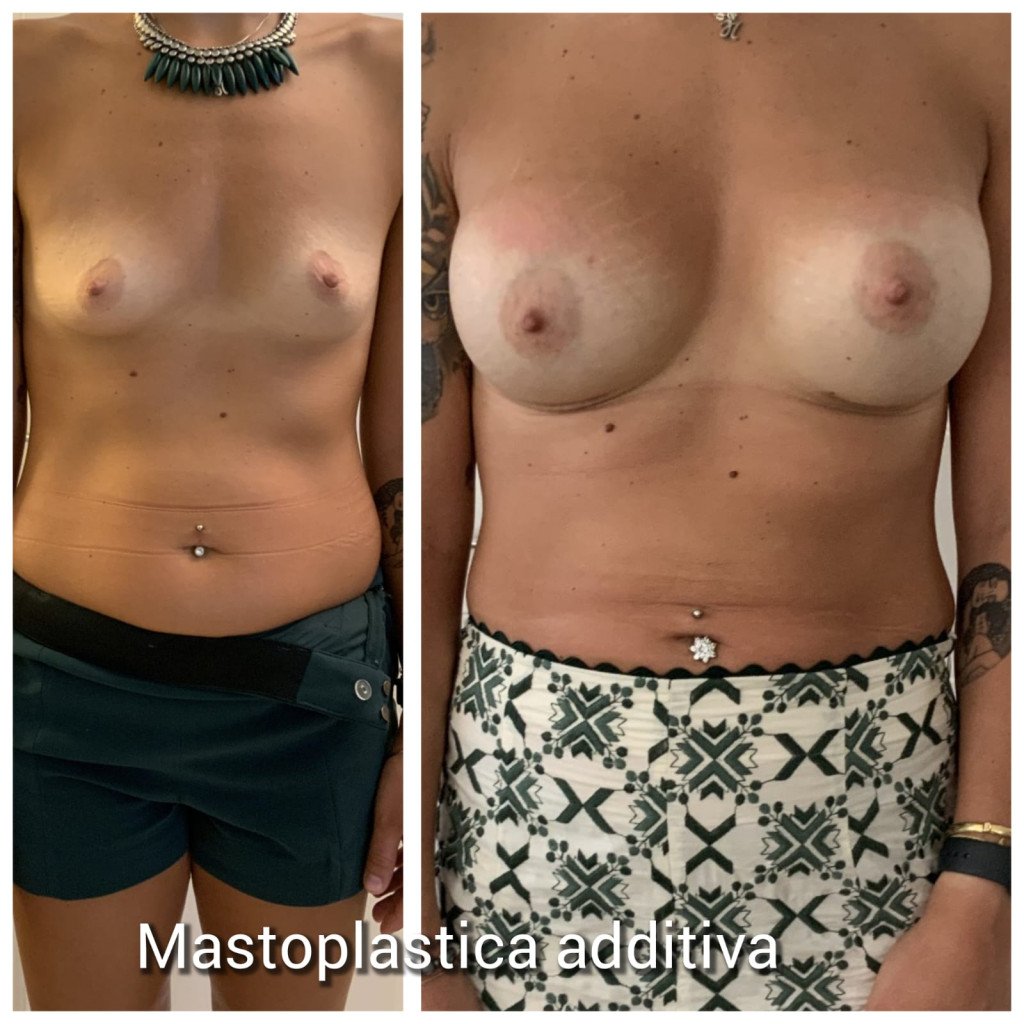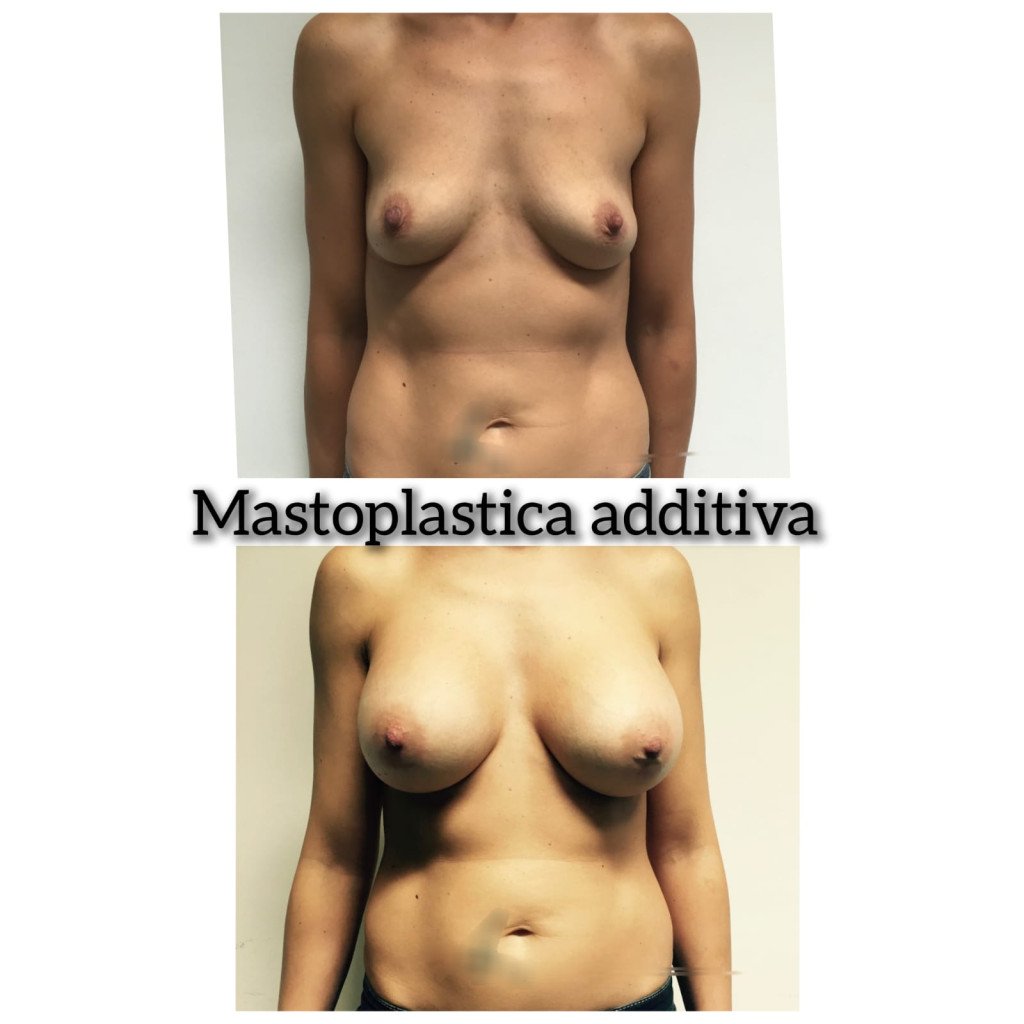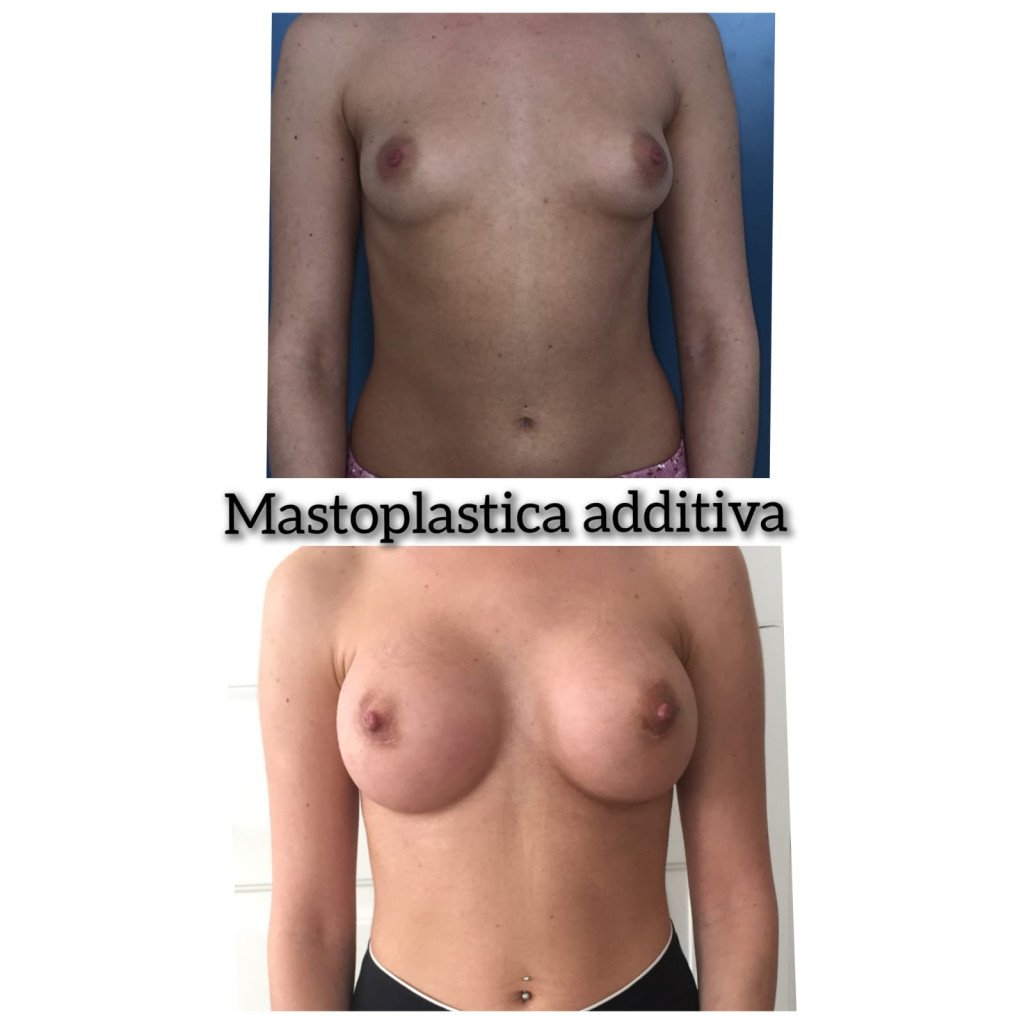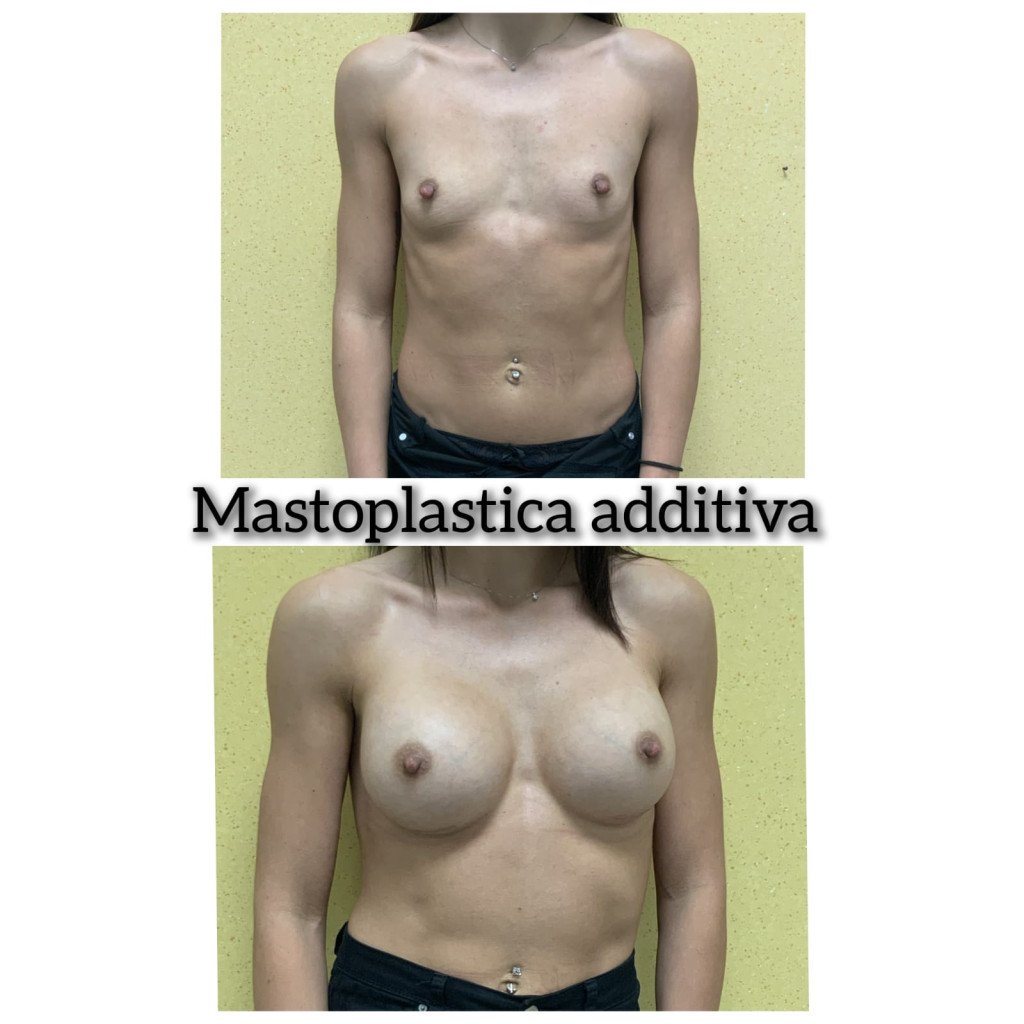
Breast augmentation and Preservè Motiva

Breast Augmentation and Preservè
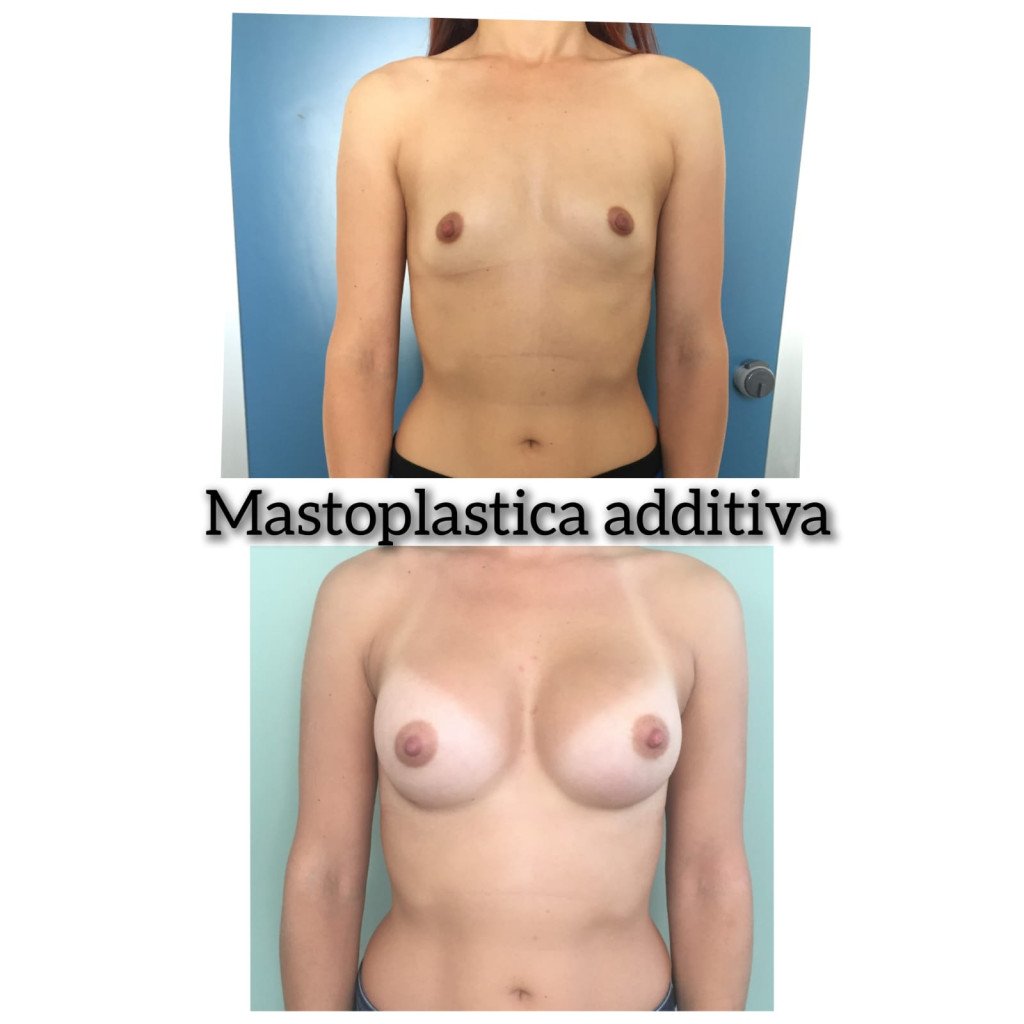
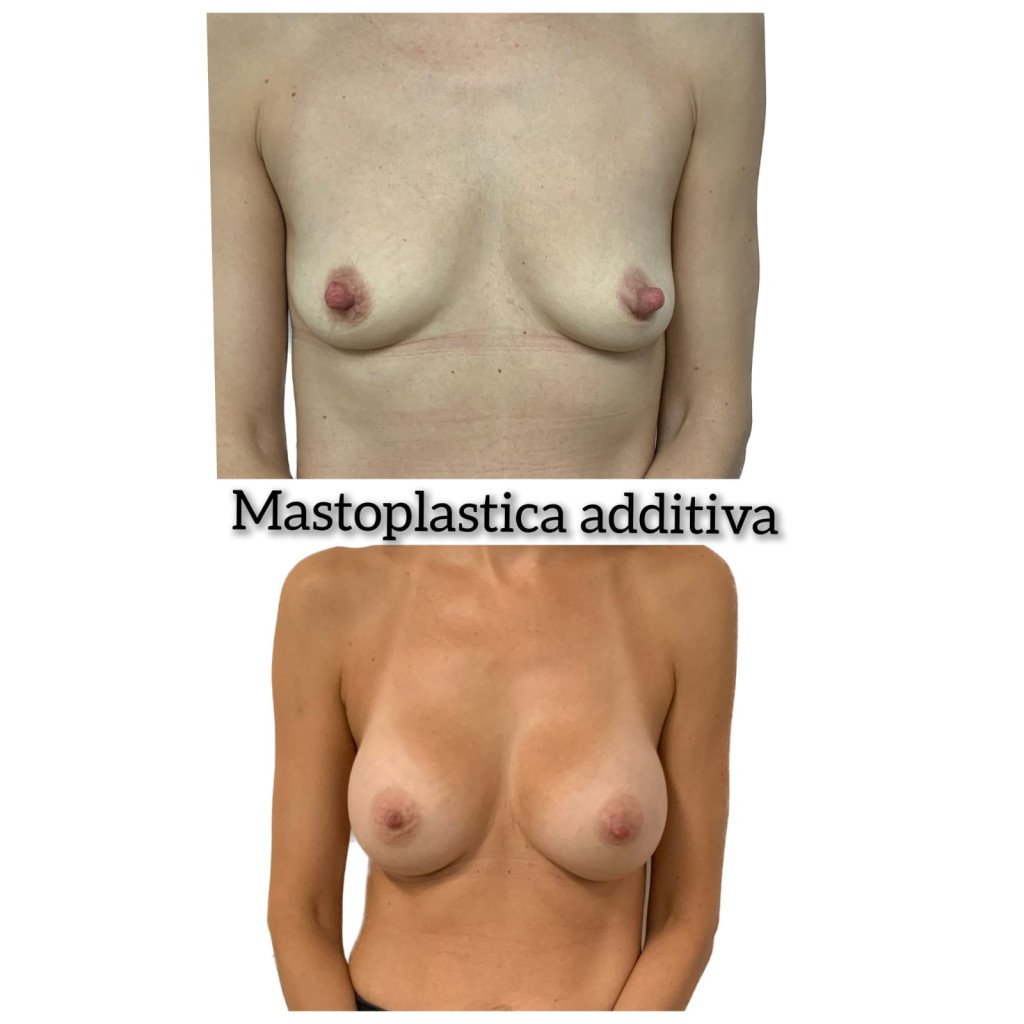
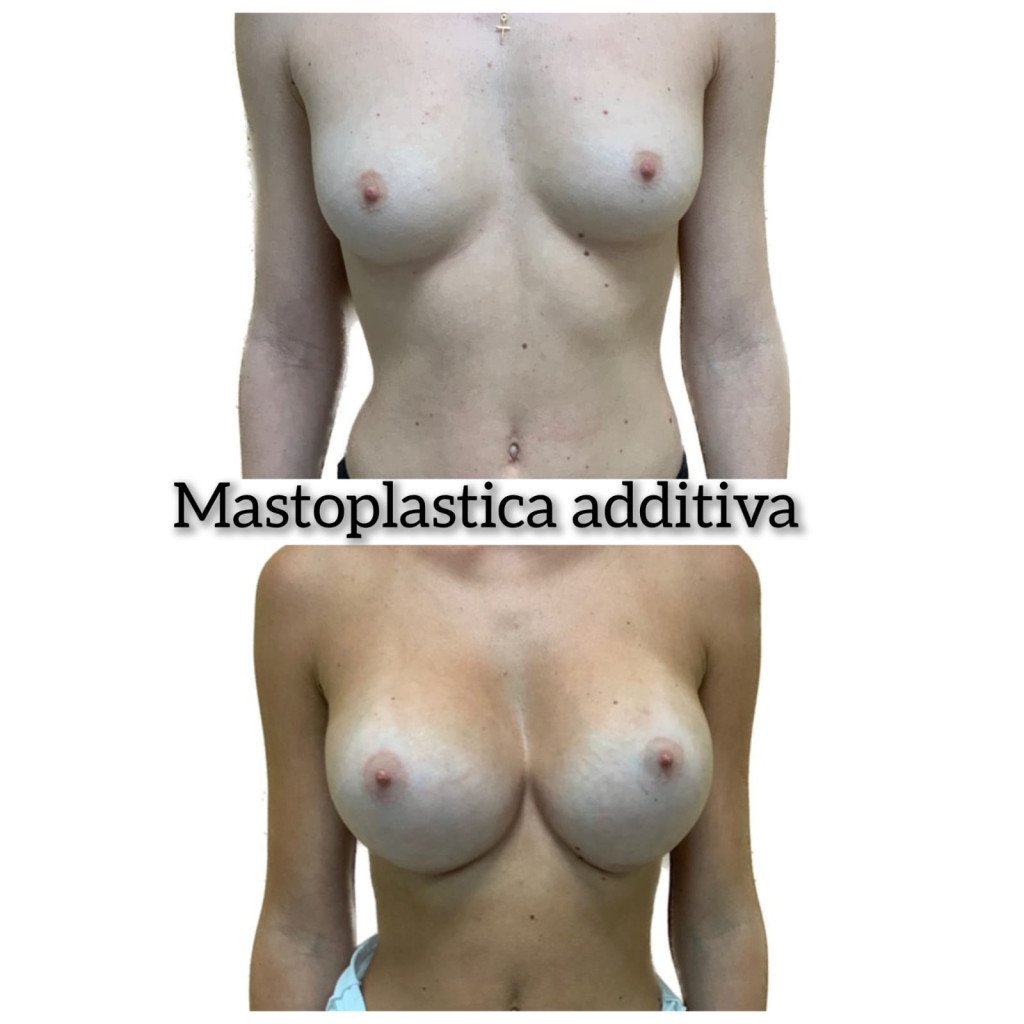
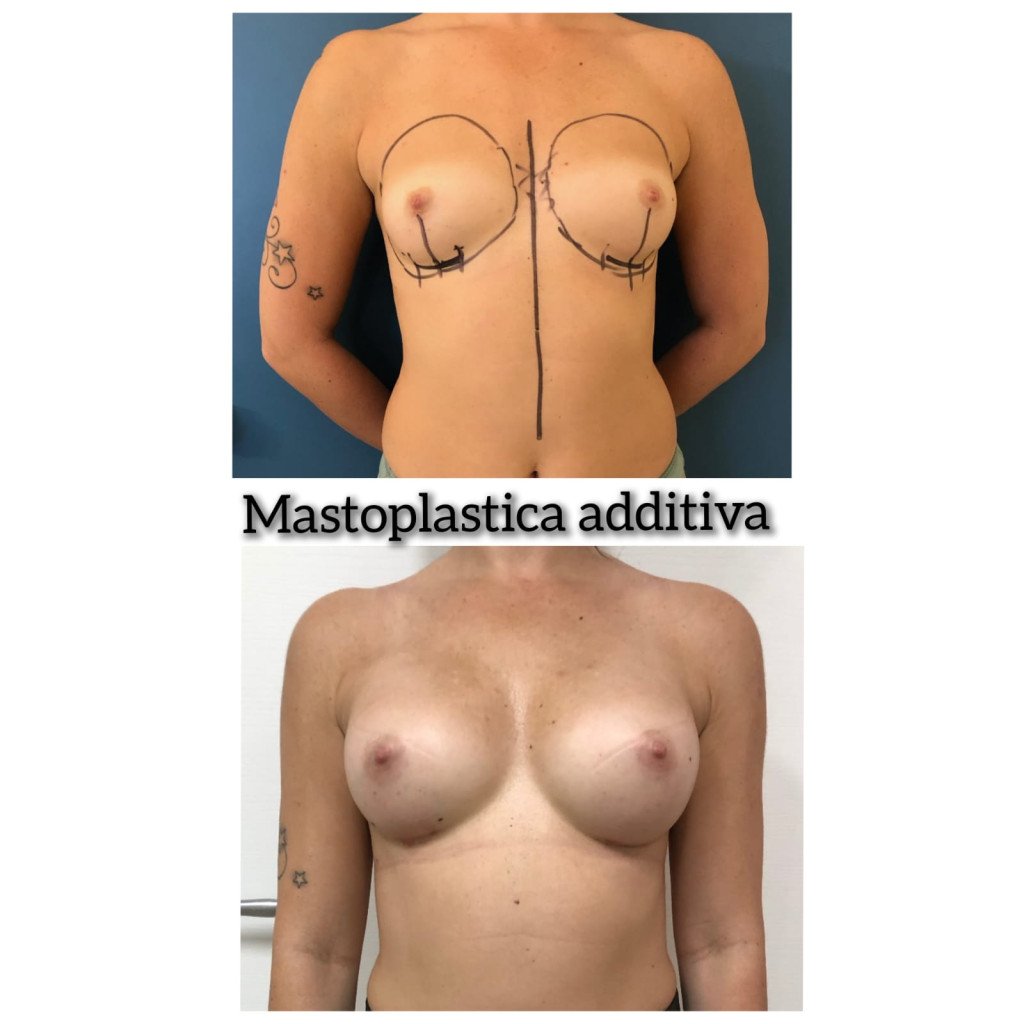
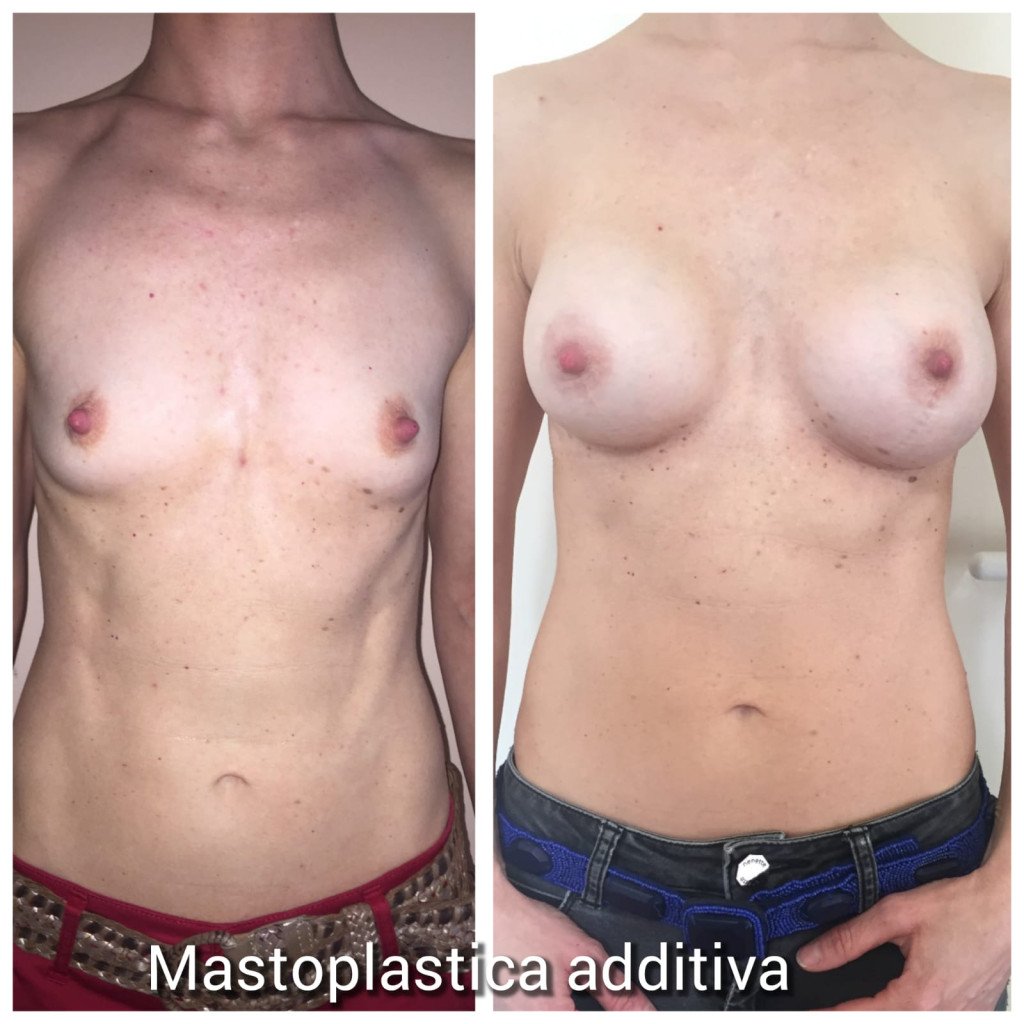
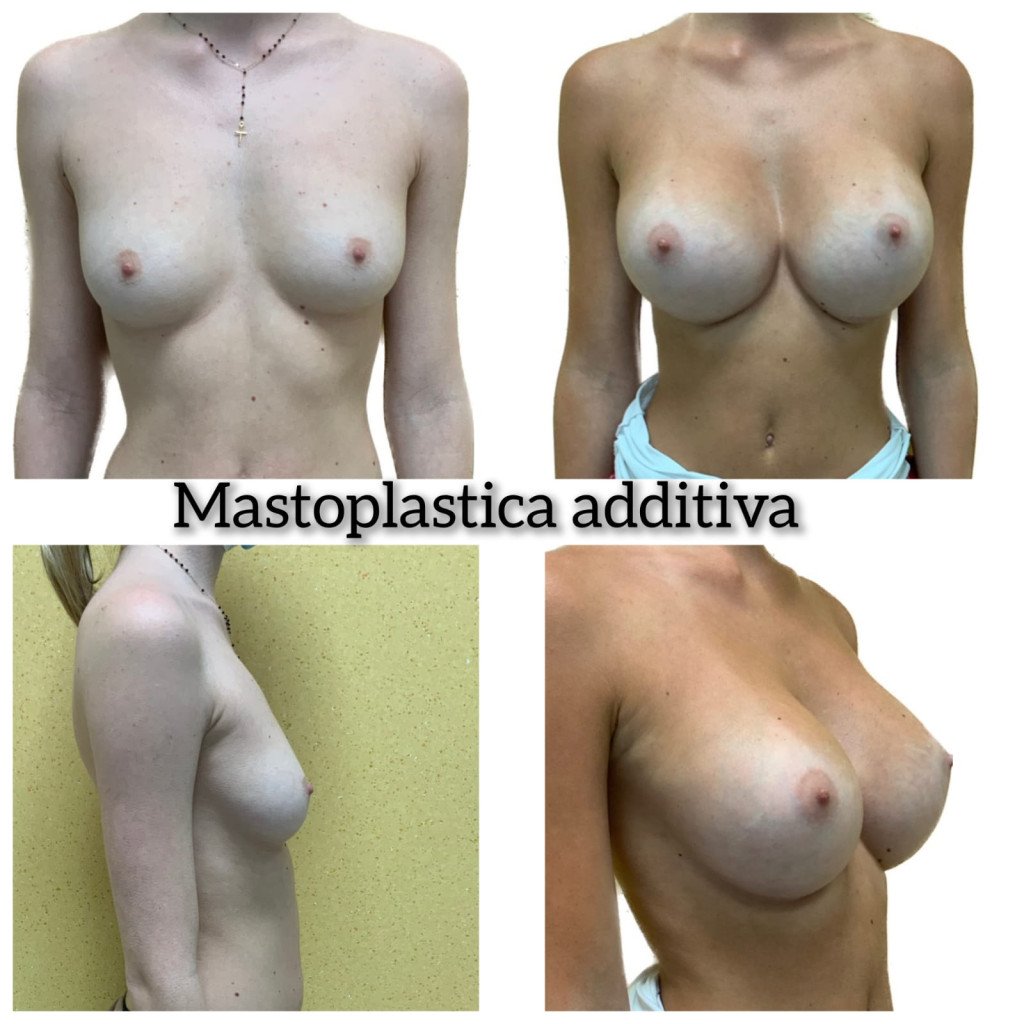
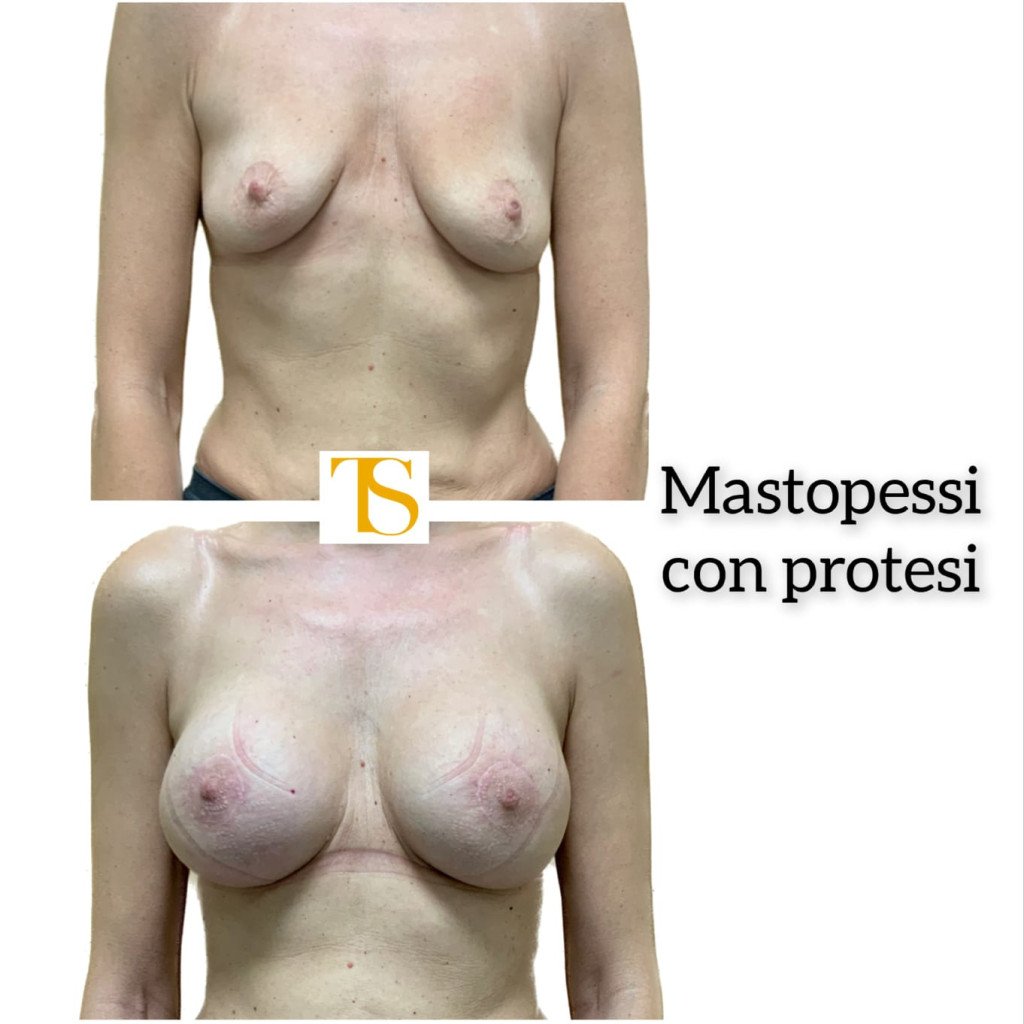
Breast augmentation and Preservè are among the most commonly requested cosmetic surgery procedures. The procedure aims to give women a more curvaceous figure by increasing breast volume through the insertion of silicone implants. The surgery, which goes beyond mere enlargement, shapes, balances, and firms the breasts. And thanks to the latest-generation implants, it is possible to achieve a stunning, natural-looking aesthetic result. Considering the psychological aspect that every surgical procedure entails, breast augmentation is the one that most effectively supports women on their individual journey to rediscovering confidence, sensuality, and femininity.
The Goal of Preservè Breast Augmentation
The goal of the procedure is to increase the size of breasts that are too small or to fulfill the desire for more appropriate proportions for one’s décolleté. Breast augmentation can satisfy both young women whose breasts never developed fully and adult women who wish to restore a more youthful appearance in the face of the inevitable effects of pregnancy or aging.
In the case of Preservè breast augmentation, the patient also seeks a faster recovery for family and work reasons, with less pain and an easier convalescence. In most cases, undergoing breast augmentation surgery means correcting common aesthetic defects such as:
- Breasts that are absent or have not developed since puberty often require a dual-plane placement
- Loss of volume or alteration of the original shape following pregnancies, breastfeeding, or significant weight loss. (In this case, the Preservè technique may be used.)
- Breasts with an unusual shape or asymmetrical breasts (tuberous breasts or breast asymmetry)
The History of Breast Implants
To effectively address these issues, plastic surgery introduced breast implants as early as 1962, which have evolved over the years to meet every need. Technological and scientific advancements have led to a wide range of options regarding characteristics such as gel consistency, shell structure, and surface coating.
As for the filling, they can be filled with silicone gel of varying degrees of firmness or with physiological saline solution, which is now limited to the United States for specific cases.
- Silicone gel implants, in addition to being softer, maintain their volume over time.
- Physiological saline implants, on the other hand, tend to lose volume over time.
Shapes of Breast Implants in Augmentation Mammoplasty and Preservè
- Traditional “round” implants, recommended for patients with deflated breasts but a well-developed pectoral muscle; the choice between low, medium, or high profile will depend on whether the patient prefers fullness in the quadrants (low profile) or projection of the breast cone (high profile)
- Anatomical implants, recommended for patients with deflated breasts and a thin pectoral muscle, or with minimal or no breast development. Thanks to their classic teardrop shape, anatomical implants project the breast cone upward and also fill the upper chest area. The only drawback is the risk of rotation—and thus asymmetry—and the need to use textured surfaces to increase adhesion.
- Ergonomic implants: The concept of ergonomic implants stems from a shape identical to that of round implants but with a gel that is so soft and cohesive that it effectively fills the lower poles and behaves almost like a teardrop implant but without the risks of displacement due to rotation. They are very comfortable due to their softness. In this video by Dr. Savoia, you’ll find some further clarification. These implants are used for the brand-new minimally invasive Preservè by Motiva technique, which allows for augmentation under local anesthesia with sedation, filling the upper pole with a moderate volume because a niche is created to accommodate the implant.
- Lightweight B-lite implants: These implants are lighter because they’re made from a material (calcium borosilicate) that traps air, resulting in a weight that’s 30% less than that of implants of the same volume. They’re ideal for patients who desire very large volumes. They’re also available with a polyurethane coating to increase adhesion.
Surface Texture of Breast Implants
- Macrotextured: These implants—primarily those manufactured by Allergan—are no longer in use due to their association with an extremely rare form of lymphoma. This (rough) surface has always been associated with a lower risk of capsular contracture, but recently, because of the aforementioned oncological risk, they have been withdrawn from the market and replaced with similar micro- and nano-textured implants. In fact, it has been observed that friction against tissues caused by an excessively wrinkled surface, the presence of residual surface debris from the salt-based manufacturing processes, and the tiny crevices on the surface where bacterial biofilm can accumulate are responsible for the complications associated with this type of implant in recent years.
- Smooth: The smooth surface is found primarily in round implants; it is believed to be associated with a lower risk of implant contamination because fewer germs can accumulate, thereby reducing the risk of capsular contracture.
Nanotextured: In this case, the surface is only slightly rough and is created using a mold designed to reduce the risk of leaving surface debris, which has been identified as one of the causes of the complications that led to the recall of Allergan implants. This approach is intended to provide the benefits of greater adhesion without the aforementioned risks.
Polyurethane: : The implants are made of silicone and coated with a polyurethane film that, as it degrades over several years, results in a rate of capsular contracture that is well below average. In fact, these are the implants of choice in cases of recurrent capsular contracture, and they are manufactured by the Brazilian company Silimed and, in part, by the German company Polytech. Of the two implants, I prefer the Silimed because its surface, together with the gel, is softer, and the outer edge is less rigid, resulting in a more natural appearance. - In-Depth Article: Breast Augmentation and Preservè | Facts and Myths About Breast Augmentation
- In-Depth Article: Capsular Contracture? Don’t Panic
Specialist Consultation for Breast Augmentation and Preservè
Before planning breast augmentation and Preservè surgery, it is necessary to rule out the presence of any ongoing pathological conditions affecting the mammary glands. In addition to the standard blood tests and electrocardiogram required for any surgical procedure, breast augmentation necessarily requires an ultrasound and either a mammogram or an MRI, depending on the recommendation of the breast specialist or radiologist. An ultrasound is always performed for patients under 40, while a mammogram is used to evaluate breasts with a higher proportion of fatty tissue than glandular tissue.
During the consultation, the patient discusses with the surgeon her concerns and expectations regarding her decision to undergo the procedure. The surgeon, in turn, examines the nature and anatomical characteristics of the breasts (skin, glandular tissue, and adipose tissue), the patient’s overall health (including pregnancies and various medical conditions), and finally explains the specifics of the procedure, the postoperative period, and any potential risks.
Choosing Implants for Breast Augmentation and Preservè
During this preparatory phase, Dr. Tommaso Savoia focuses primarily on two issues related to implants:
After a thorough consultation with the patient and an examination of her breasts, the doctor will determine the most appropriate course of action based on her needs and expressed desires.
Which Implant Volume to Choose
Regarding volume, a 150 cc implant increases breast size by approximately one cup size. However, the assessment of the final result must also take into account the initial size of the breast tissue. Implant sizes do not correspond directly to bra sizes; therefore, it is preferable to refer to implant volume rather than “cup size.” The doctor will try to determine the size of the implants to be used based on the bra size desired by the patient. The size should, however, be in harmony with the patient’s body proportions. Neither too large (resulting in a noticeable outline) nor too small (resulting in an insufficient increase in volume).
What matters is that the breasts are reshaped to look natural and in proportion to each patient’s body structure.
Which implant shape should you choose?
In terms of shape, a round implant will fill the upper and lower quadrants of the breast equally, making it ideal for those who want a result with a very full upper décolletage.
Anatomical or teardrop-shaped implants fill the lower pole more, making them suitable for patients with mild ptosis or those who want a very natural-looking upper pole. A drawback is that, to maintain a certain shape, the internal gel is firmer, while the surface—to prevent rotation—must be made of polyurethane or, in any case, cannot be smooth. The upper outer pole toward the armpit appears less filled.
The Motiva ergonomic implant—specifically the ERGO2 JOY with a round diameter—combines the safety of a low-reactive, nano-textured (almost smooth) surface that creates a thin capsule with a gel so soft that it gives the upper pole a natural appearance, behaving as if it were a breast without an implant.
Which implant surface should you choose?
The surface of an implant influences how the breast itself will form a capsular scar to isolate the implant from the rest of the body.
The classification of breast implant surfaces is based on the degree of roughness of the silicone shell, a key factor in determining tissue interaction and the risk of complications.
The classification of breast implant surfaces is based on the degree of roughness of the silicone shell, a key factor in determining interaction with tissues and the risk of complications such as capsular contracture. In Europe, clinical standards follow the guidelines of the UNI EN ISO 14607:2018 standard, which divides implants primarily into four broad categories:
1. Smooth and Nano-Textured Implants
Characteristics: Smooth surface or with micro-texture that is almost imperceptible to the touch.
Advantages: They ensure maximum softness and allow the implant to move naturally within the breast “pocket.”
Use: Often preferred for round implants and to minimize the risk of abnormal adhesions. They should be absolutely avoided with anatomical implants. This category includes Motiva implants and smooth GC implants.
2. Microtextured Implants
Characteristics: They feature a slight, “fine” texture, usually created through sandblasting or salt imprints.
Advantages: They create controlled adhesion to tissues without being too aggressive, drastically reducing the risk of rotation (particularly useful for anatomical implants) and the incidence of capsular contracture. Rotation is still possible with these implants compared to polyurethane implants, while the incidence of capsular contracture is lower when using nanotextured implants than with polyurethane implants.
3. Macrotextured Implants:
Characteristics: The surface is visibly rough and irregular, characterized by deeper pores.
Advantages: They adhere very firmly to the surrounding tissues.
Use: In recent years, this type has been gradually phased out and replaced by microtextured implants due to a correlation with the onset of BIA-ALCL (anaplastic large cell lymphoma). This category includes the older Allergan implants that are no longer on the market.
4. Polyurethane-Coated Implants
Characteristics: The silicone shell is further coated with an open-cell polyurethane foam.
Advantages: They offer extremely low rates of capsular contracture, as they ensure permanent and complete adhesion to the tissues. They are indicated for complex revision procedures or post-mastectomy reconstructions. Furthermore, the larger adhesion surface makes them more resistant to microinfections because the crypts on the adhesion surface are vascularized. They have a steeper learning curve, as once positioned, they are “unforgiving,” and their placement cannot be adjusted either with the prepectoral fascia or through massage.
Choice of Insertion Route and Residual Scars
The choice of insertion route depends on the local anatomy of the breast. Generally, if the nipple-areola complex is small or is correctly positioned on the mid-arm line, access via the inframammary fold is preferable.
Conversely, if the areola is large and also needs to be lifted (due to ptosis) or reduced in diameter, an incision through the areola or all around it using the Round Block technique is preferable. In the case of insertion through the navel, the implants are inserted endoscopically through minimal incisions. In these cases, “empty” implants are used, which are filled with saline solution at a later stage.
- around the nipple, along the perimeter of the areola in the first case
- along the inframammary fold in the second (so that it is covered by the breast itself)
- in the center of the armpit in the third
- in the center of the navel in the fourth (generally only theoretical cases)
Implant Placement Site in breast augmentation and Preservè motiva
Implants are placed in a surgical pocket created by the surgeon. This pocket is located behind the glandular complex, behind the pectoral muscle, or in an intermediate position. The patient’s physical structure and tissue quality determine the choice of procedure.
- Submuscular placement is preferred when the glandular-adipose overlay is insufficient;
- subglandular placement is preferred when the implant is well covered by the mammary gland, as confirmed by a “pinch test” that verifies the thickness of the overlying tissue is at least 2.5 centimeters. . Today, with the Preservè by Motiva technique, you can achieve fantastic results without compromising the glandular tissue, because a niche remains with Cooper’s ligament surrounding the implant. The entire procedure is quick, lasting less than an hour, and requires no drains. The key is not to request too large a volume; this technique is ideal for breasts with depleted glandular tissue in the upper pole but where some tissue remains and the pinch test measures over 2.5 cm.
- The submuscular intermediate “dual plane” technique, on the other hand, involves placing the upper half of the implant under the muscle, while the lower half is placed under the gland; in fact, the muscle is completely detached from the chest in the lower portion. This technique yields a more harmonious result.
- A new and successful technique is the “triple-plane” approach, which helps prevent distortions caused by the movement of the pectoral muscle against the implant during certain forceful contractions. The implant is positioned under the muscle in the upper portion; under the gland in the central portion (behind the areola); and under the muscle in the lower portion. This procedure also creates a “natural bra,” which supports the implant over time.
Preoperative Care for Breast Augmentation
Following the specialist consultation, the surgeon will order a series of clinical tests to ensure the patient is a suitable candidate for the procedure.
In addition to an electrocardiogram, a breast screening including an ultrasound and mammogram, and the following blood tests: complete blood count with white blood cell differential, blood glucose, serum creatinine, blood urea nitrogen, plasma electrolytes (chloride, calcium, potassium, sodium), total protein, liver function tests (AST, ALT), and coagulation tests (pT, PTT).
Regarding other instructions that must be strictly followed:
the birth control pill must be discontinued at least one month before the scheduled surgery date;
the use of medications containing acetylsalicylic acid and NSAIDs must be discontinued;
cigarette smoking must be reduced at least 4 weeks prior to surgery;
it is necessary to inform the surgeon about any medications being taken for ongoing therapies and treatments
Preservè – Minimally Invasive Breast Augmentation
Recently, surgeons and patients have become aware of the possibility of performing a breast implant procedure that preserves the mammary glandular tissue using a minimally invasive approach. Here are the pros and cons:
Pros:
-Surgery performed under local anesthesia with light sedation
-Discharge after 2–3 hours
-No need for drainage
-No pain because the pectoral muscle is not touched
-Faster recovery and healing
-Minimal incision of approximately 2.5 cm
– Simultaneous “push-up” mastopexy effect in cases of hollowed-out upper pole
– Ultra-soft Motiva Joy Ergonomix 2 implants
Cons:
This technique is recommended only for small to medium implants, up to 300 cc
It is suitable only for women with a glandular thickness of at least 2.5 cm on each side (positive pinch test); it is not suitable in cases of absent glandular tissue
It is not suitable for tuberous breasts
It is not suitable if a mastopexy is required in cases of severe ptosis
Ask Dr. Savoia for more information about the Preservè technique in Milan, Lecce, Brindisi, or elsewhere in Puglia
Breast Augmentation—Surgical Procedure
The procedure lasts about an hour and a half and is performed under general anesthesia or local anesthesia with sedation (a state of light sleep). To begin, the surgical team injects vasoconstrictor medications to temporarily restrict blood flow to the affected area, ensuring that the surgical site is clear and accessible for the procedures to be performed.
After inserting the implants, the incisions are closed using internal sutures and intradermal sutures. The surgical procedure concludes with the application of a bandage over the sutures to protect the operated area.
In more complex cases of breasts with an altered shape—known as tuberous breasts, where the lower pole is underdeveloped—the choice of implant often falls on anatomical implants or, even better nowadays, ergonomic implants. In these types of breasts, remodeling of the gland is necessary to expand the lower pole and lower the inframammary fold to achieve better symmetry.
Complications of Breast Augmentation
Although this procedure is in high demand and considered routine, it is not without risks. These include:
seroma or hematoma: This is often an immediate complication or one that occurs within the first two weeks. It often requires treatment but must be evaluated on a case-by-case basis.
Capsular contracture: Click the link to learn more; you’ll be able to determine whether the contracture is a normal, physiological response or requires treatment.
Implant displacement or dislocation: The implant may shift position if the doctor’s instructions were not followed during the first month, if a seroma has formed and consequently enlarged the pocket, or in the case of capsular contracture.
Recovery Times for Breast Augmentation and Preservè
Recovery times after breast augmentation surgery can vary. After the procedure, using the traditional technique, drains are left in place for at least one day, and a compression dressing is applied. The bandages are then replaced by an elastic bra (“sports bra,” without underwire, with a front closure, and providing good support), which must be worn for at least one month (though it is recommended to continue wearing it thereafter to enhance the results). For the first 30 days, the patient must also wear an elastic breast augmentation bandage. For the first 15 days, activities that involve the arms should be avoided.
Only afterward can you resume normal activities, always following the surgeon’s instructions. Do not get the incisions wet in any way for at least the first seven days after surgery to avoid the risk of infection. Pain relievers and anti-inflammatory medications are prescribed to manage pain, while a course of antibiotics lasting at least 5 days is prescribed to prevent infection
With the Preservè breast augmentation technique, no drains are inserted; the postoperative period is very minimally painful, and the arms can be moved easily.
Patients are discharged the same day, while precautions for wound healing—even for a small incision (2.5 cm)—must be similar to those for the traditional technique.
Costs of Breast Augmentation and Preservè
The cost of breast augmentation surgery in Lecce can range from 5,500 to 6,900, while the cost in Milan ranges from 6,900 to 8,500, depending on the clinic’s fixed service fees. The Preservè technique costs between approximately 7,500 and 10,000.
USEFUL INFORMATION
Lasting
Complexity
Anesthesia
dressings
healing time
B/A