Biorevitalization
Biorevititalization of the face
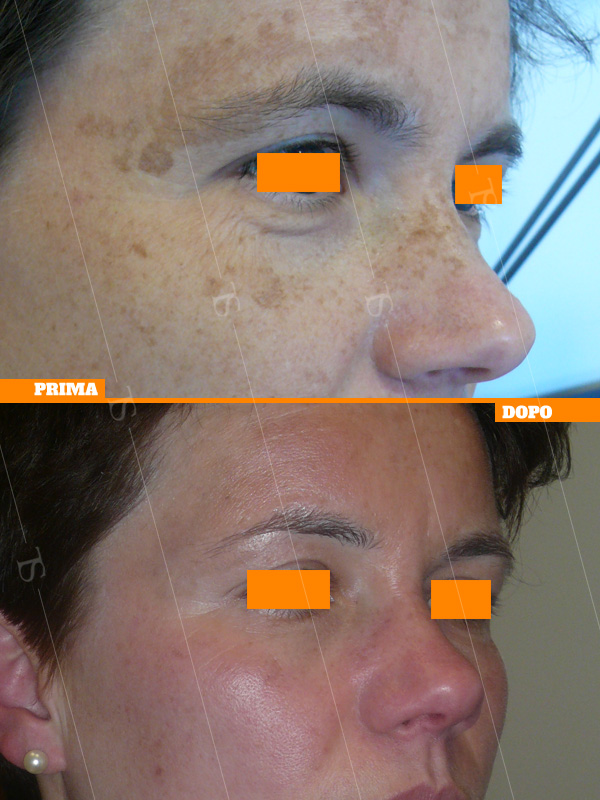
Face and neck do not lie. Prey to the dreaded ‘signs of time’, they are the areas of the body most subject to the ageing process. Tissues collapse, volumes are depleted, skin becomes blotchy. No unconditional surrender, however: with modern aesthetic medicine techniques it is possible to limit the effects of the passing years thanks to ‘anti-age’ cell renewal treatments. We are talking about Biorevititalisation, a natural procedure that, unlike surgical procedures or hyaluronic acid, does not aim at a filler effect, but at rehydration and restructuring procedures of the skin layers (between depth and surface), with the introduction of a series of fundamental (biocompatible and reabsorbable) trace elements into the dermis. The effect is in a kind of ‘awakening’ of the liveliest part of the skin and an immediate support to a younger physiological status.[knock]
What defects can be corrected with Biorevitalization?
Tone, firmness, hydration. Ageing skin loses its beauty characteristics. And often, certain external factors, associated with natural decay, accelerate its decline. Just think of the face that is continuously exposed to atmospheric agents, smog and changes in temperature. The dermis of the neck, on the other hand, having no bony or muscular support, has to deal with its own thinness. Its structure prematurely wrinkles and becomes slack and saggy.
With Biorevitalization, it is possible to intervene on defects relating to
- expression or old age wrinkles
- skin laxity
- loss of volume
- slimming decay
- loss of natural complexion
- loss of definition of features and consequent disharmony
This ‘soft’ aesthetic medicine procedure, which injects a bio-revitalising complex composed of nucleic acids, amino acids, minerals, vitamins, cofactors, coenzymes and hyaluronic acid, enables important results to be achieved in terms of
- skin firmness
- elasticity
- radiance
- fullness
- reduction of fine wrinkles
- Frequency of sessions and results
Biorevititalization (to be carried out periodically) increases hydration and restores tone; it stimulates metabolic activity by reactivating collagen production (restructuring function) and protects against the formation of free radicals (anti-oxidant function). After a few sessions (the number may vary depending on the initial condition of the skin), the tissues overcome the damage caused by the stress to which the cells are subjected. The skin’s appearance rapidly improves in terms of texture, turgidity and elasticity.
Preparing for Biorevitalization treatment
Before the procedure, the patient undergoes a specialist examination to discuss his or her expectations with the doctor. The plastic surgeon investigates the general condition of the skin and the imperfections to be treated, assessing the degree of ageing, the most problematic areas, the level of elasticity and hydration, and the quality/quantity of structural sagging of the neck. He then proceeds to identify the most suitable technique for correcting the defect, alternative and/or complementary treatments, and summarises the course of post-biorevitalising treatments and their duration.
Biorevititalisation procedures can be combined with other treatments, including Peeling, Lifting, Blepharoplasty, Botox and Laser.
Biorevititalisation, procedure and contraindications
The Biorevititalisation procedure takes about twenty minutes and is performed in an outpatient setting on patients who are generally at least 40 years old. But it is also indicated for younger skin as a preventive measure to slow down the ageing process (especially for smokers). The formulation of the injection complex thus varies depending on the type of patient, and the only contraindications are pregnancy and breastfeeding or the presence of skin infections. The treatment, which does not involve anaesthesia or pre-operative activities, is carried out through micro-infiltrations of the drug using a thin, painless syringe. The liquid is distributed evenly without giving rise to allergic reactions, and the injection techniques with which the punctures are made can vary.
Healing time and maintenance
The operation does not cause bruising (at most it generates a vague redness in the treated areas that tends to reabsorb in a short time, even a couple of days) nor does it require bandages and dressings: at the end of the operation it will be possible to resume normal daily activities and even apply make-up. For maintenance, a cycle of 3 sessions per week is recommended, to be repeated monthly thereafter to perfect the results.
USEFUL INFORMATION
Lasting
Complexity
Anesthesia
Dressings
healing time
pre and post