Rhinoplasty amd septal deviation

Rhinoplasty – cosmetic surgery of the nose
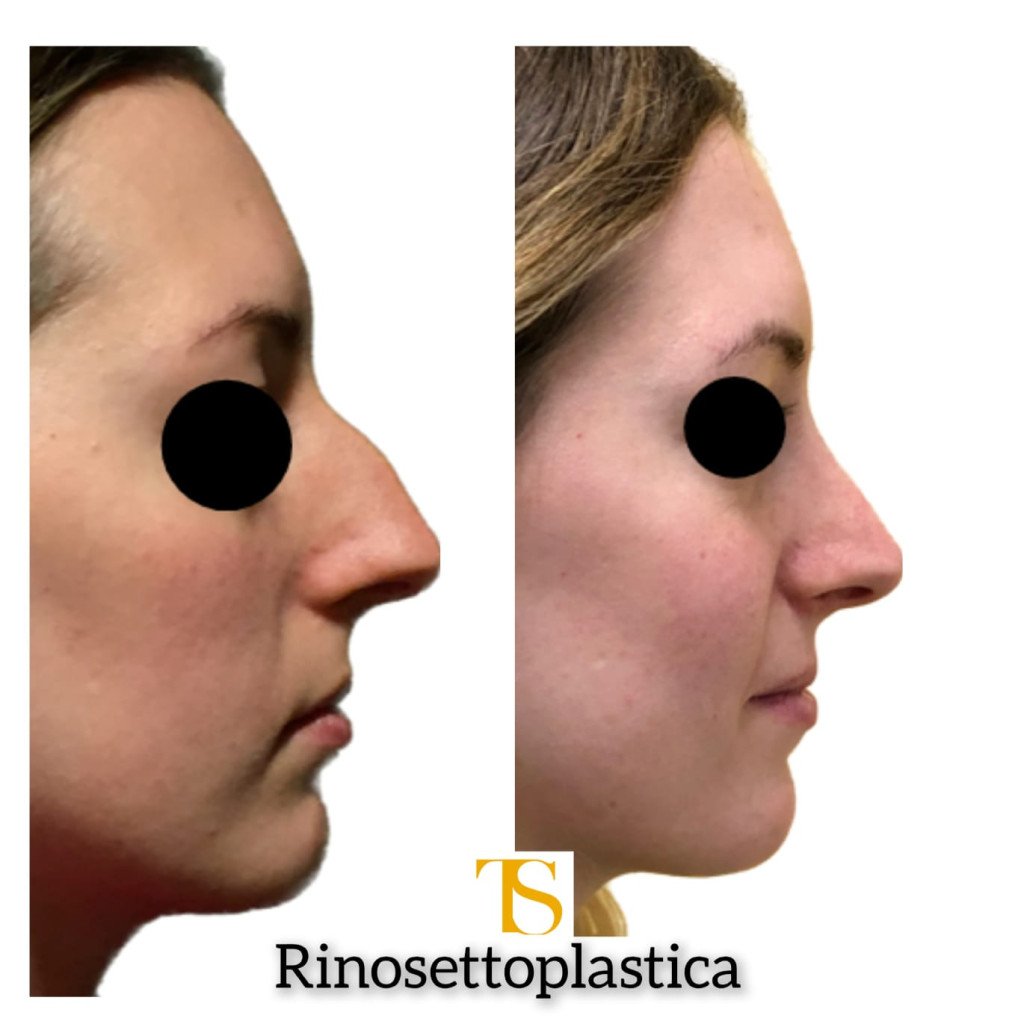
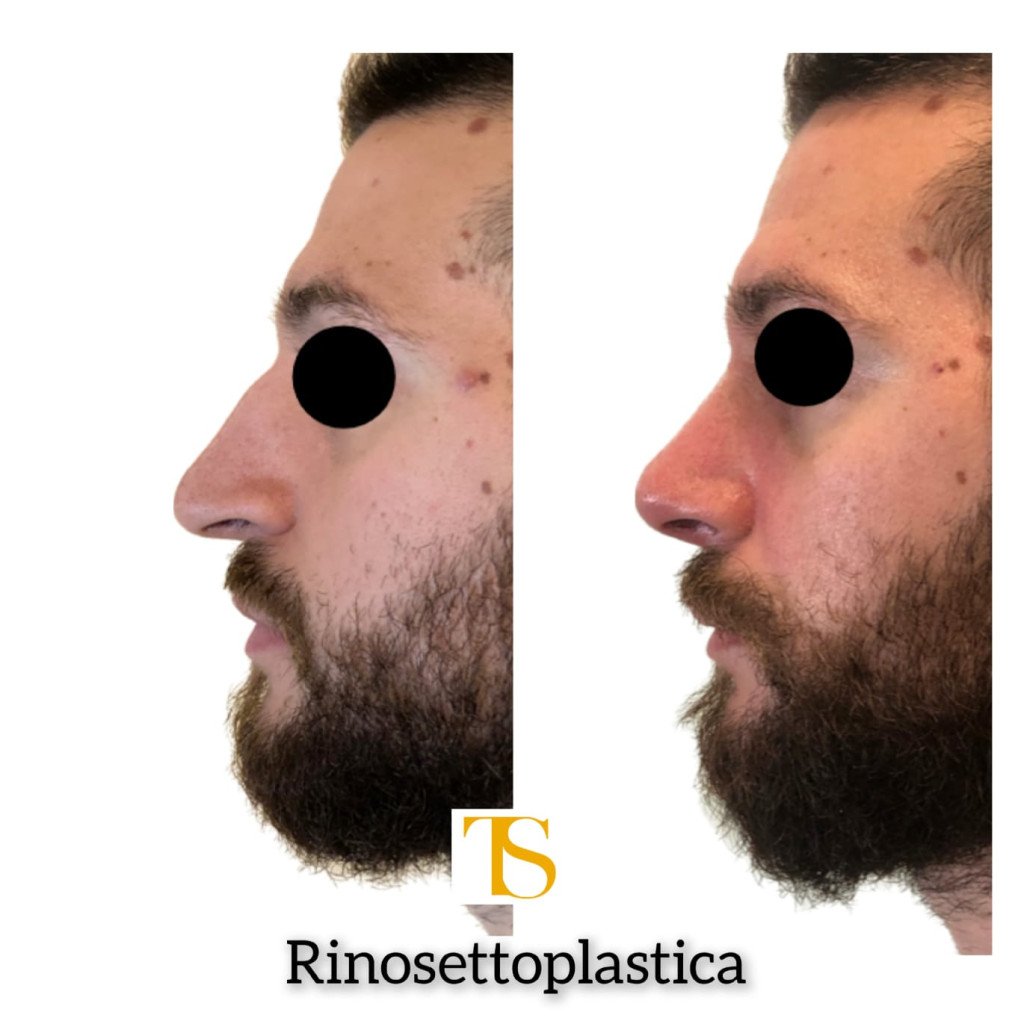
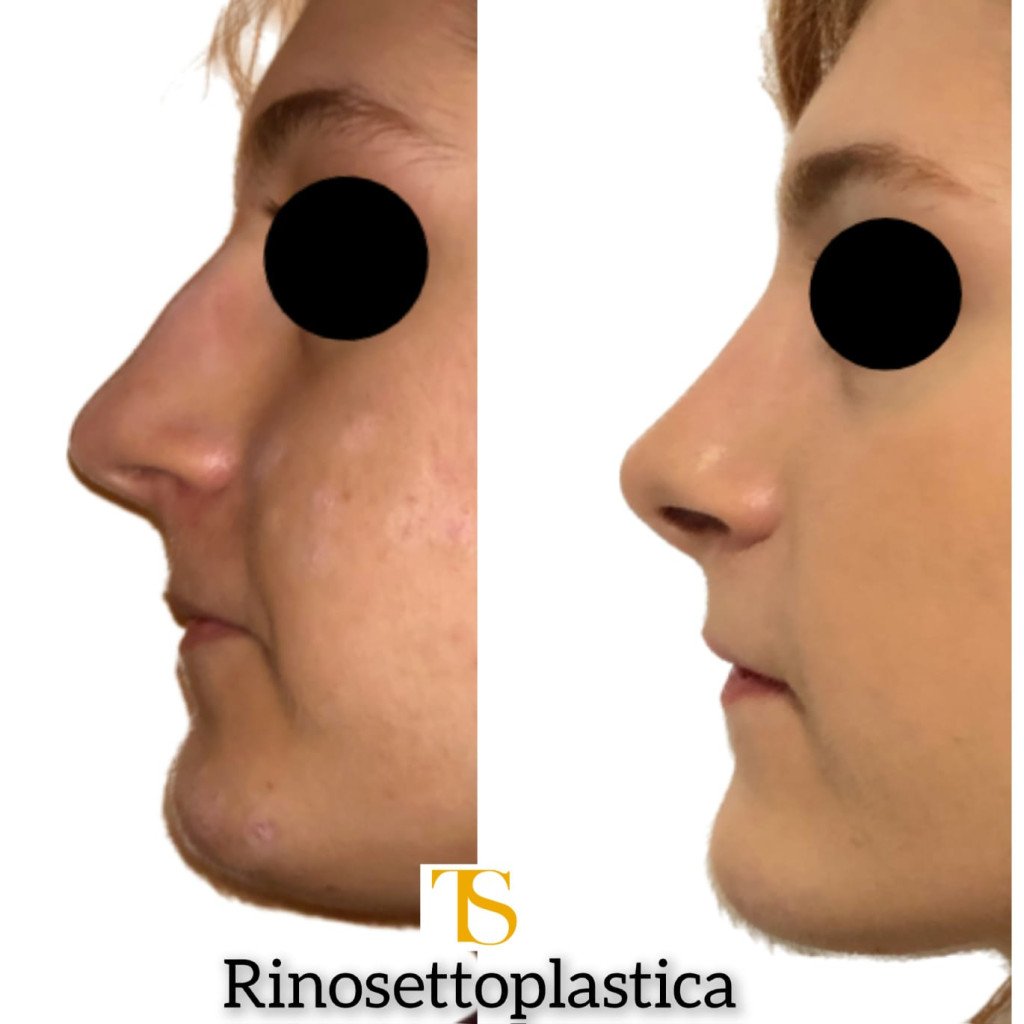
The cosmetic surgery procedure known as rhinoplasty corrects imperfections of the nose by reshaping the nasal pyramid.
The best result for this type of plastic surgery is obtained by harmonising the nose in the context of the face that houses it.
In its central position, in fact, the nose greatly influences frontal and profile vision, facial expressions, even the gaze. This is why Dr. Tommaso Savoia always pays particular attention to the overall morphology of the face, analysing it as a succession of concave and convex curves that must be balanced in the right places and in the different expressions assumed by the face as the patient speaks or smiles.
Reshaping the nose, in many cases, means significantly improving the patient’s appearance (and his or her self-esteem), provided, however, that the effects of the operation are not clearly perceptible: much more so than in other types of aesthetic surgery, in fact, in Rhinoplasty it is essential that at the end of the healing process the subject does not appear to have undergone surgery.
Aesthetic flaws and solutions
The most frequently occurring blemishes that can be surgically corrected are:
RHINOMEGALY (large, disproportionate nose in relation to the face)
RHINOCYPHOSIS (prominent or gibbous nose, hyperconvex or with a ‘hump’),
AQUILINE, hooked nose, French profile and Greek profile,
imperfections of the dorsum, columella or nostrils (asymmetrical, arched, too wide or narrow; collapsed nostrils)
TIP DEFECTS (bulbous, bifid, crooked or drooping)
PARROT-BEAK or overly protruding nose
a “potato” nose or with a high root,
floppy or arabic nose,
slender nose, with nostrils that are too wide (so called ‘negroid’ nose)
There are also frequent cases of an ugly nose as a result of wrong surgery: cases of a nose that is too short or ‘pig snut’ and a saddle nose, in which the previous surgeon went too far with the scalpel.
The field of possible remedies is vast. Here are some of them:
Open or closed rhinoplasty depending on whether the incision is inside or outside the nose
Frenuloplasty: aims to free the upper lip from the thin flap (frenulum) that connects the lip to the gum. Upper lip frenulotomy is often performed in conjunction with open or closed rhinoplasties. It allows the smile to be improved and access to the septum depressor muscle in the case of ‘smiling tip’ (i.e. when the tip of the nose tends to fall down when smiling).
Resection of the wing bases: to narrow very wide noses or noses with abnormal nostrils
Non-surgical Rhinoplasty or Rhinofiller
Functional disorders and solutions
The aesthetic defect is sometimes associated with a functional problem caused by incorrect physiological conformation of the nasal septum, or deviations of the nasal septum following facial trauma or hypertrophy of the turbinates. If the patient suffers from sinusitis or has breathing problems (daytime and especially night-time), it may be appropriate to perform two operations in one.
In this case, we speak of Rhinosectoplasty, an operation that is both functional and aesthetic, or of Septoplasty, in which only the internal structure is operated on.
Once the nasal septum has been straightened, the patient’s quality of life will improve… in a whisker.
Specialist examination
The patient’s frontal and lateral vision is carefully observed by Dr Tommaso Savoia, including by taking several photos. Before making any decision on rhinoplasty surgery, a careful anamnesis is indeed essential.
The different aesthetic solutions that the surgeon is able to envisage must be discussed with the patient in depth, precisely for the reasons we explained above: the nose has a truly considerable impact on the face and facial expressions. Doctor and patient must therefore work together to ensure that the expectations of one corresponds to a plausible technical-surgical solution.
Preparation for surgery
Rhinoplasty, Rhinoseptoplasty or Septoplasty surgery can be performed on patients aged 18 and over, when the bone conformation is well established.
During the first visit, Dr Tommaso Savoia carries out a series of anthropometric measurements, assesses elasticity, skin quality and thickness, the architecture of the facial bones, symmetries, and the structure of the cartilages of the nose.
He is thus able to simulate what the patient will look like in his new natural balance and facial harmony.
Dr Savoia considers it fundamental to open a sincere and direct dialogue with the patient at this initial stage, answering all questions, evaluating the different solutions without haste with a professional approach aimed at maximum psychological support.
As mentioned, one can operate on the nose not only for aesthetic needs but also to solve breathing disorders. This is why Dr Tommaso Savoia, an expert in the functional part of the septum and turbinates, always assesses the existence of any functional disorders and the possibility of resolving them surgically.
In the case of an examination for Rhinosectoplasty or Septoplasty, a CT scan of the nose and paranasal sinuses without contrast medium must first be performed.
The doctor asks the patient for black-and-white photos, both of the two profiles and of the front, in order to simulate and discuss expectations and the achievable result with the patient.
At the end of the specialist examination, all patient-specific medical prescriptions are communicated, such as clinical examinations to be performed or medication to be taken or discontinued.
Surgery
Rhinoplasty is generally not a painful operation and never involves visible scars. The duration of the operation ranges from one to two hours.
We distinguish between two macro categories
Closed rhinoplasty: the incisions are completely hidden inside the nose, the tip and back of which are shaped.
Open rhinoplasty: a small incision at the level of the base of the nose (the columella), which becomes practically invisible, allows the anatomy of the nose to be fully exposed to the surgeon. This practice is reserved for more complex operations on noses that require careful reconstruction of all internal parts and precise shaping of the nasal tip. The post-operative course in this case is longer due to swelling of the tip of the nose, which can last up to a year.
Depending on the surgical requirements, it is possible to use only local anaesthesia for minimal defects, local anaesthesia with sedation, or general anaesthesia (essential for Rhinosectoplasty and Septoplasty).
Nose surgery is permanent and does not require any further surgical activity. At the end of the healing process, which can vary depending on the type of surgery from 3 months to 1 year, the final result is permanent.
Healing times
In both open and closed rhinoplasty, the patient can generally go home two hours after the operation, subject to compliance with the doctor’s instructions. In other cases, e.g. after complex septal plastic surgery, the patient is discharged the day after the operation, after a thermoplastic cast has been applied to protect the nose.
In open rhinoplasty, the stitches are removed after 4 days. For about a year, the tip of the nose may be slightly swollen.
The first follow-up visit is scheduled after 2 to 3 days to remove the pads. The small stitches along the incision at the base of the nose are removed a few days later. Following the operation there may be bruising and swelling of the eyelids, which disappears within 10 days.
In the first month after surgery, the patient should avoid any trauma and minimise exposure to the sun and cold.
For the first few months, the tissue of the nose, especially at the tip, may be slightly oedematous. It will be helpful to massage the skin of the nose from the tip upwards to achieve a lymph-draining action. And take homeopathics to deflate the nose based on Bromelain and Arnica.
The patient will be followed up for about 6-12 months with scheduled check-ups until complete stabilisation of the structure is assured.
Costs
The price of a nose job is quite variable and depends on the type of operation (open or closed rhinoplasty) and other parameters that will be clarified by the doctor during the specialist visit.
On average, the price can range from EUR 5,000 to 7,000.
USEFUL INFORMATION
Lasting
Complexity
Anesthesia
dressings
healing time
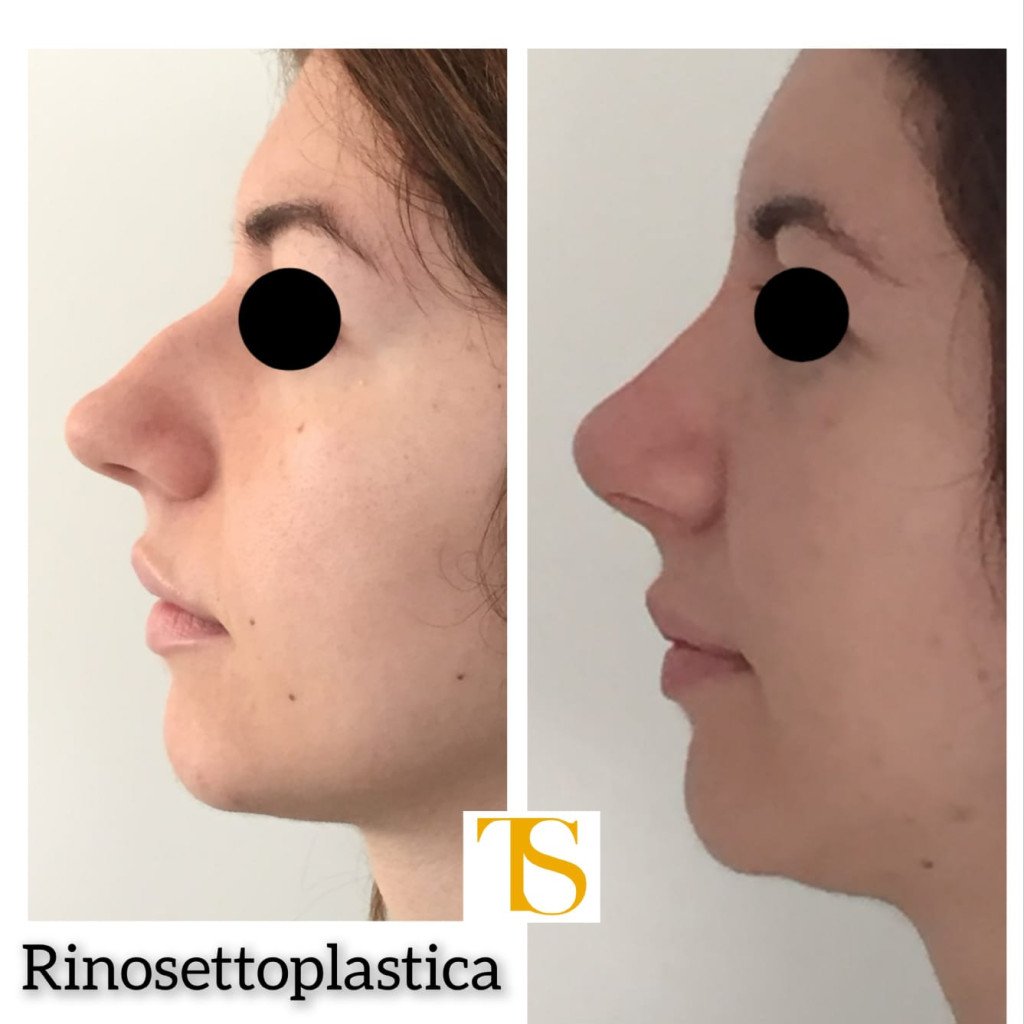
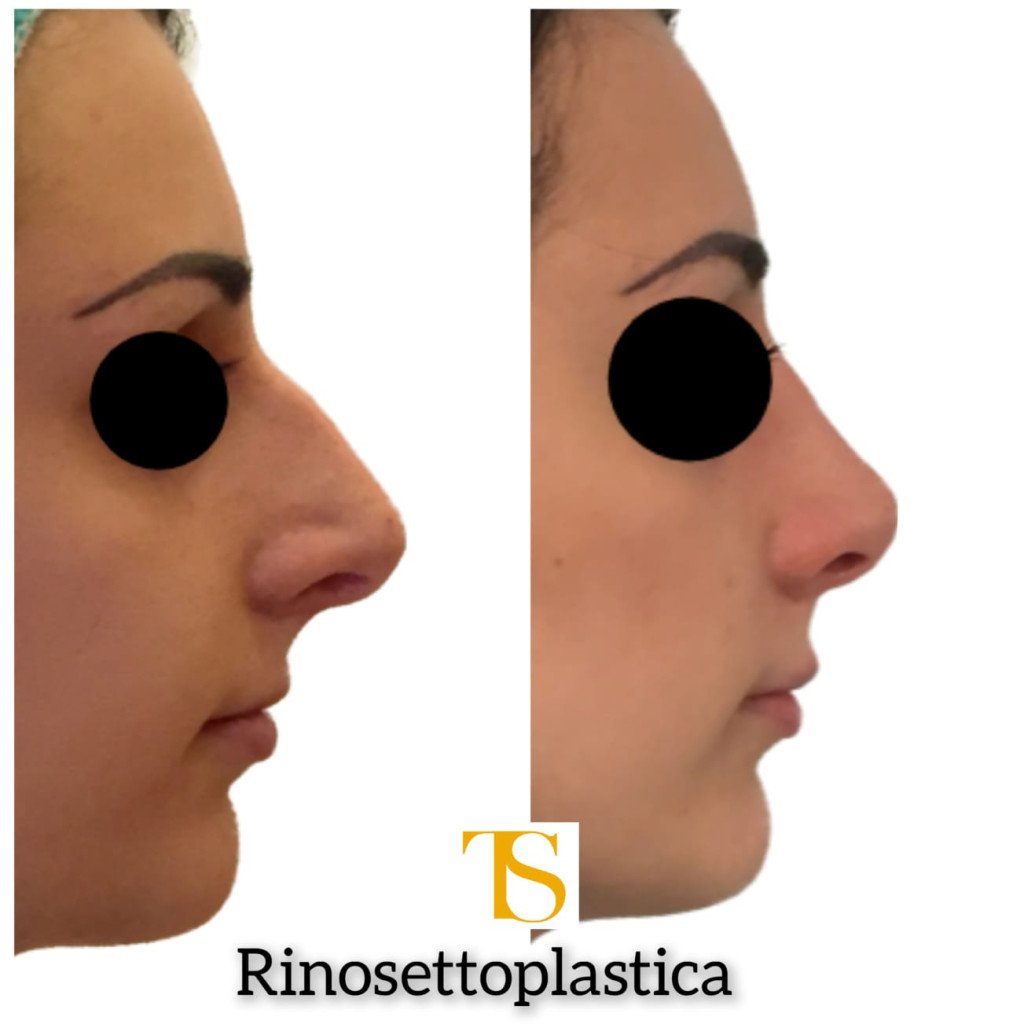
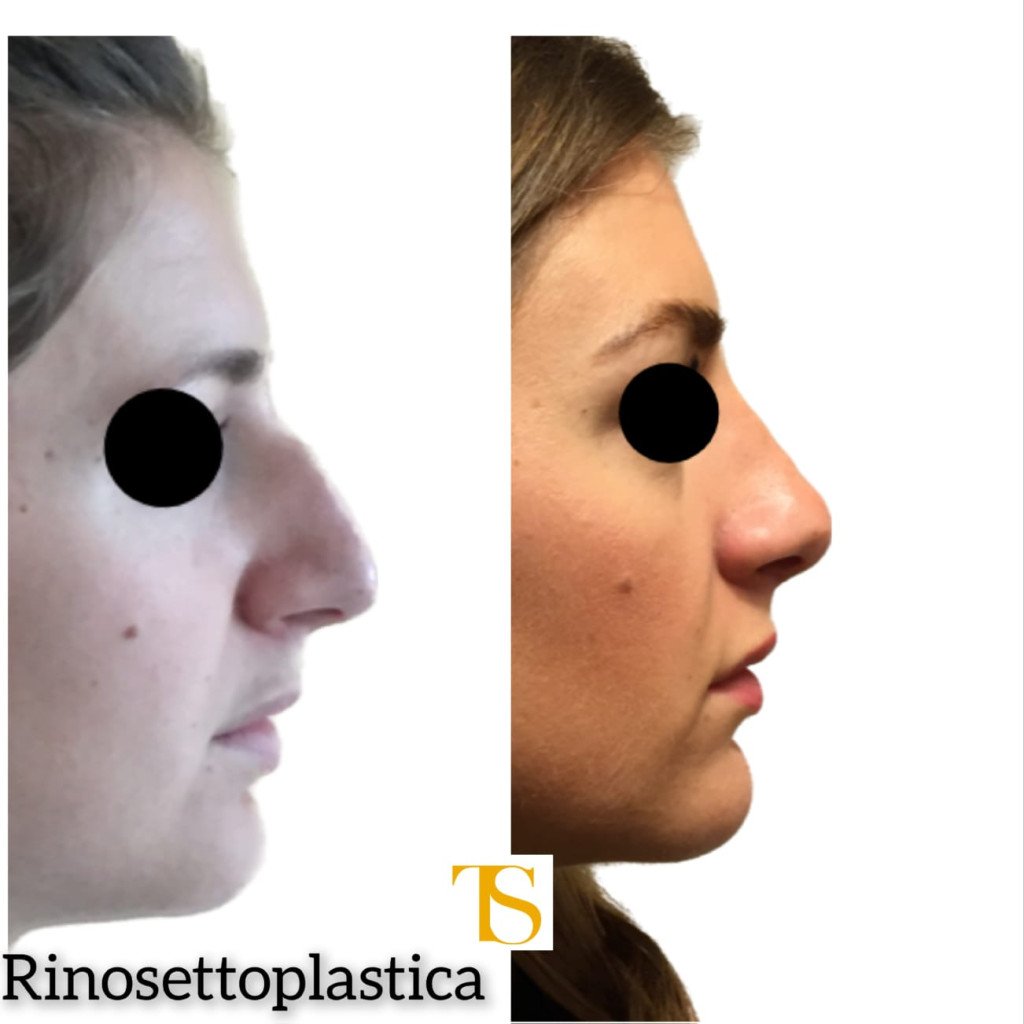
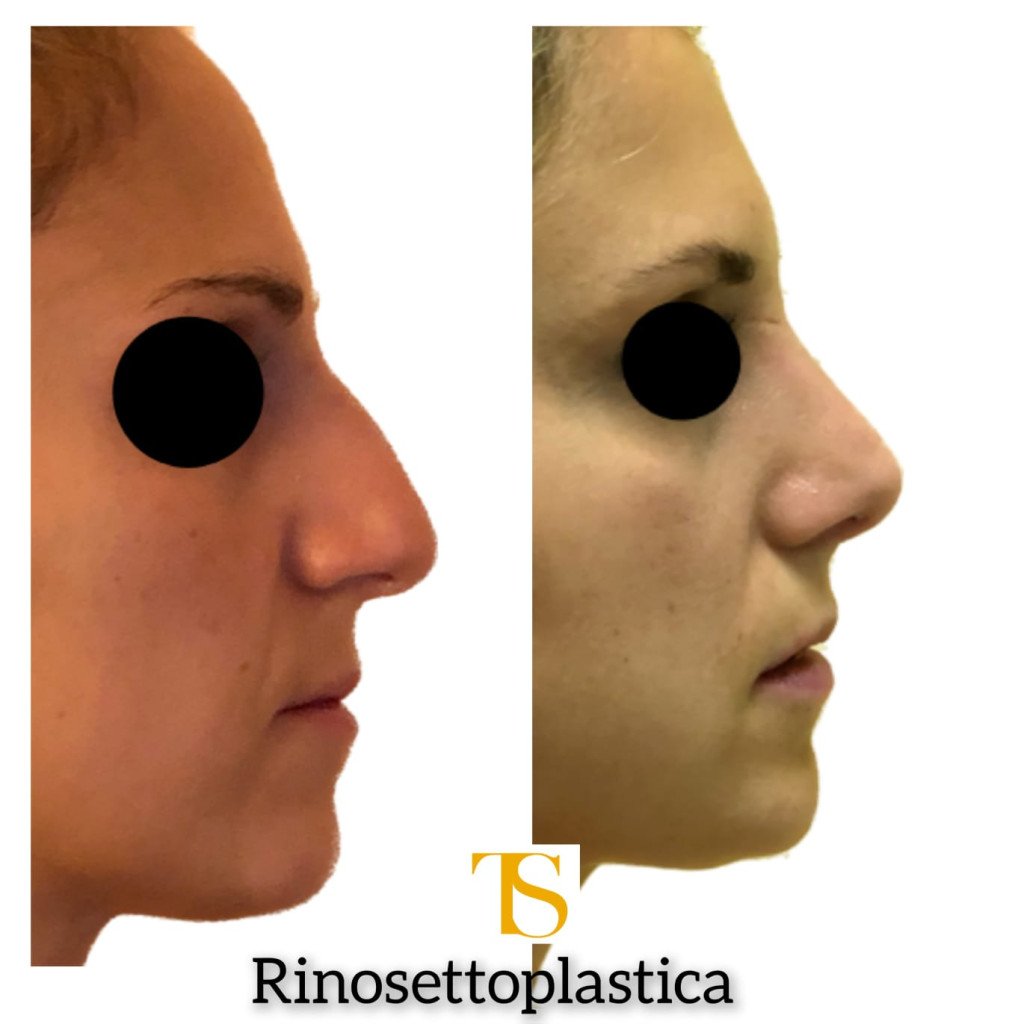
Rhinoplasty before/after