Blepharoplasty- Eyelid surgery

Blepharoplasty – Aesthetic eyelid surgery
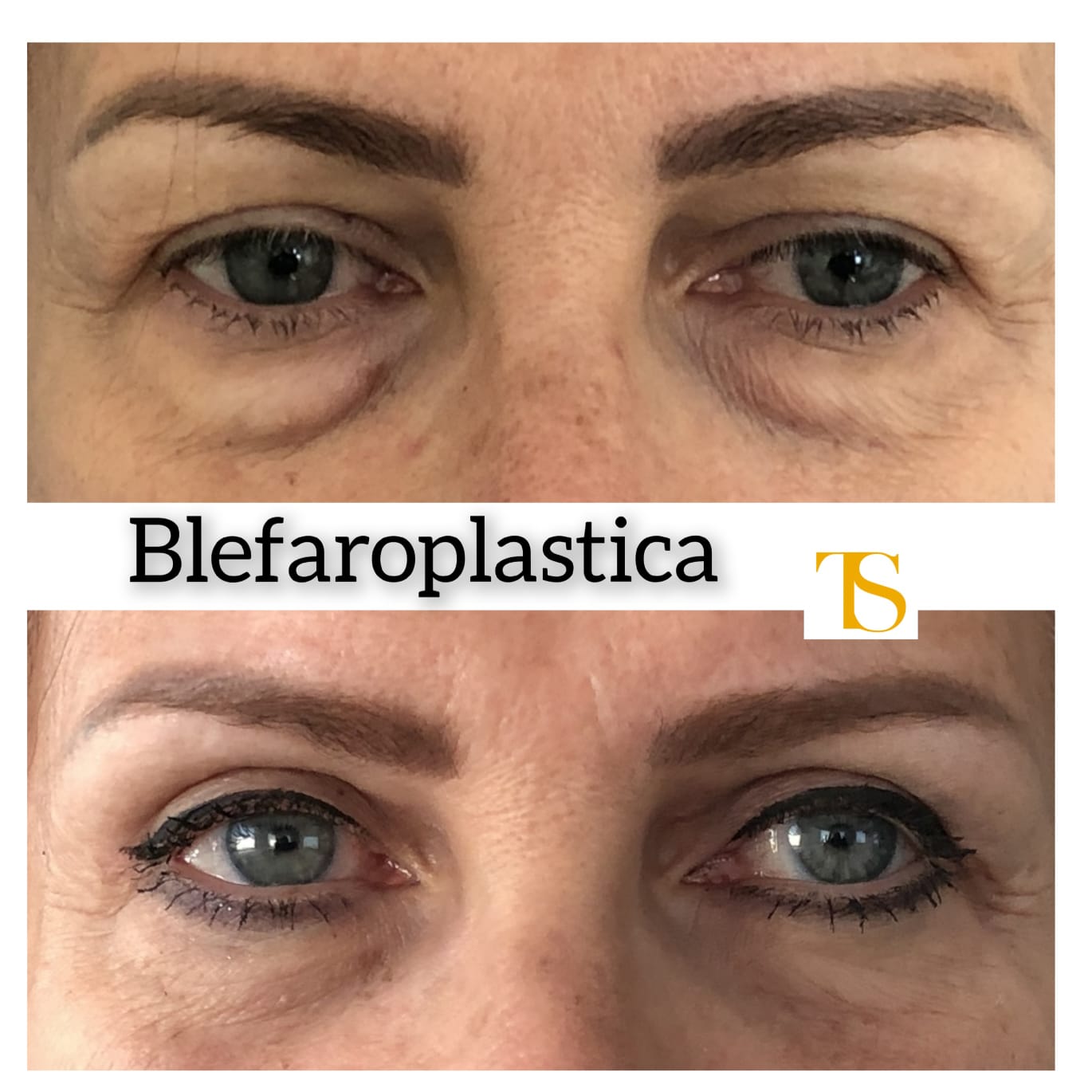
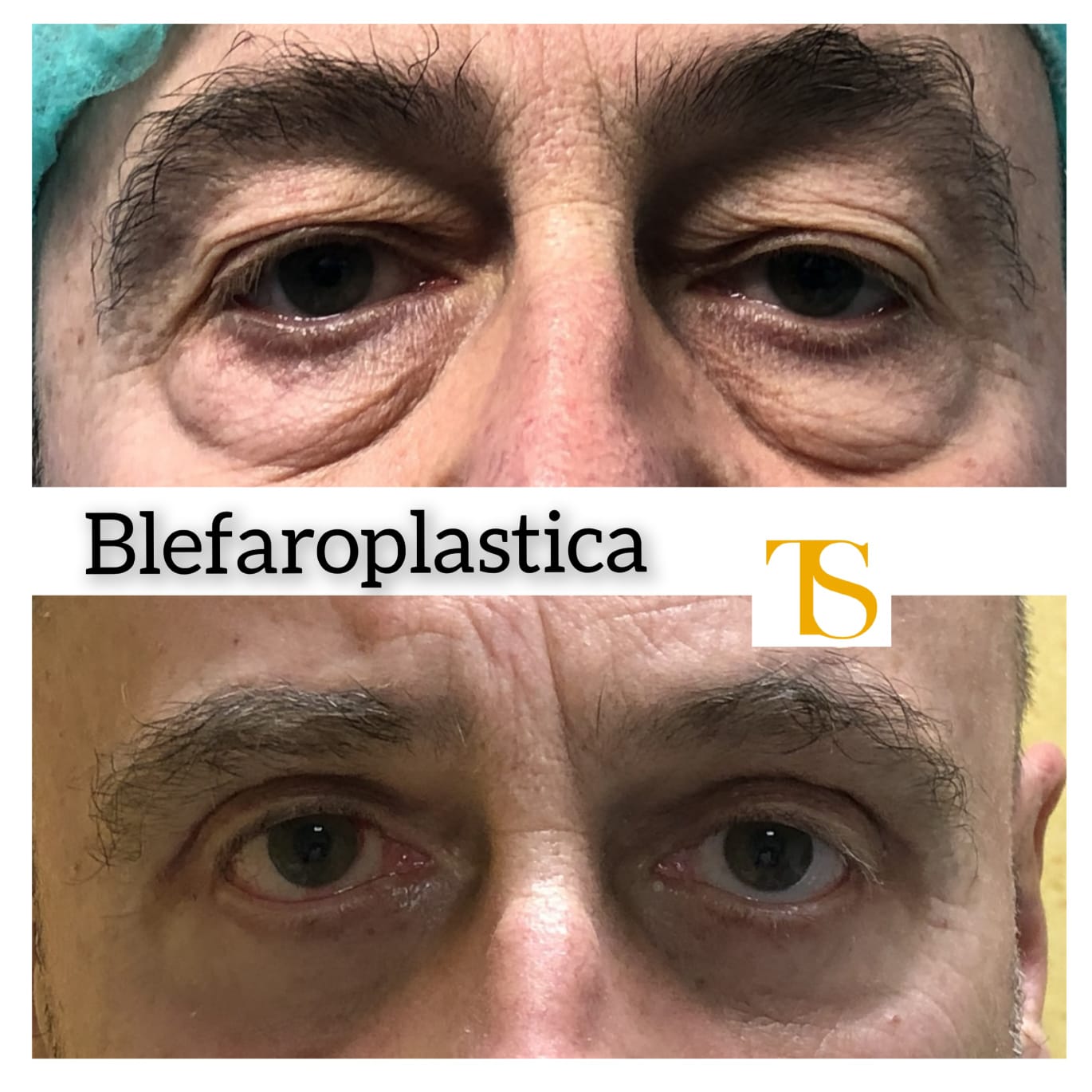
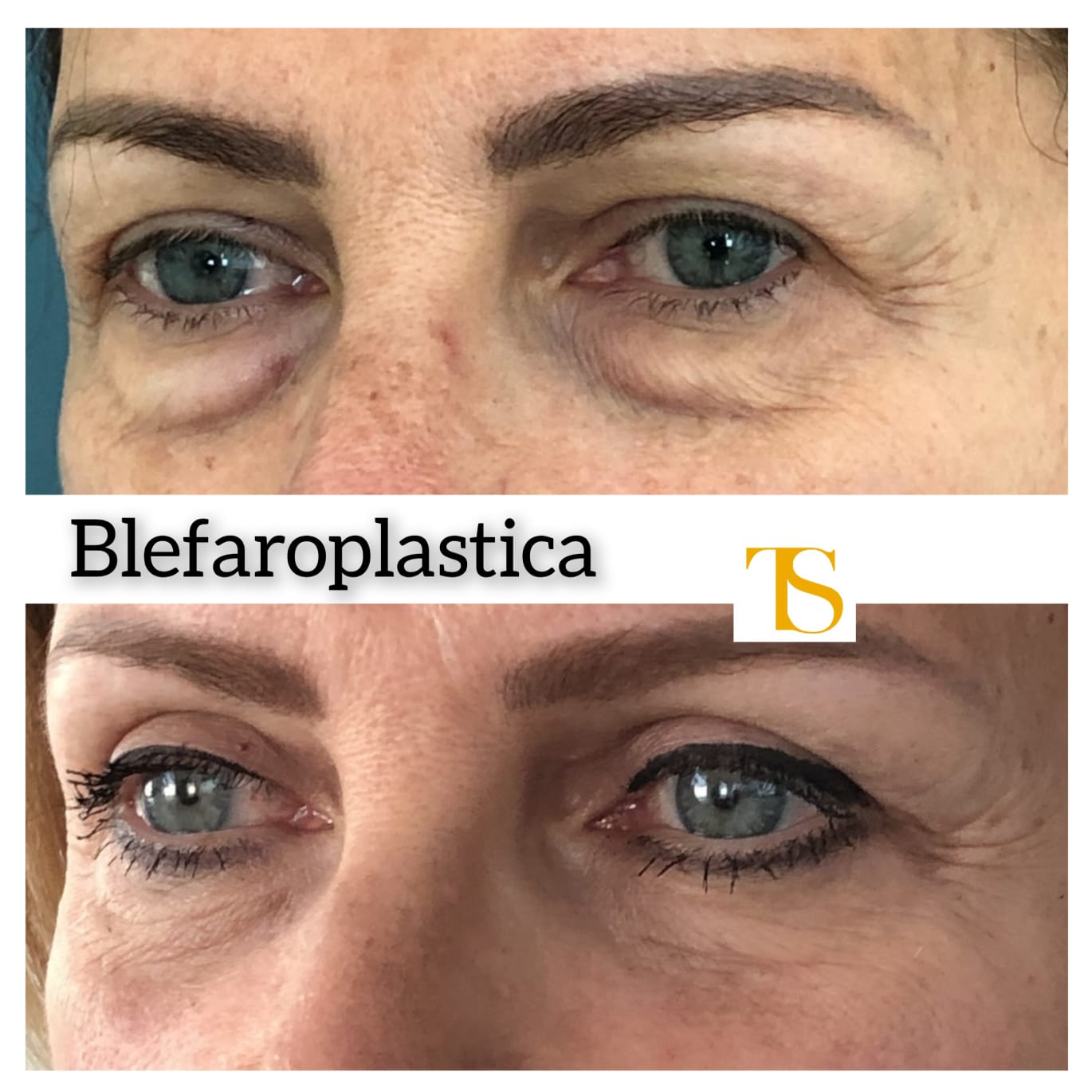
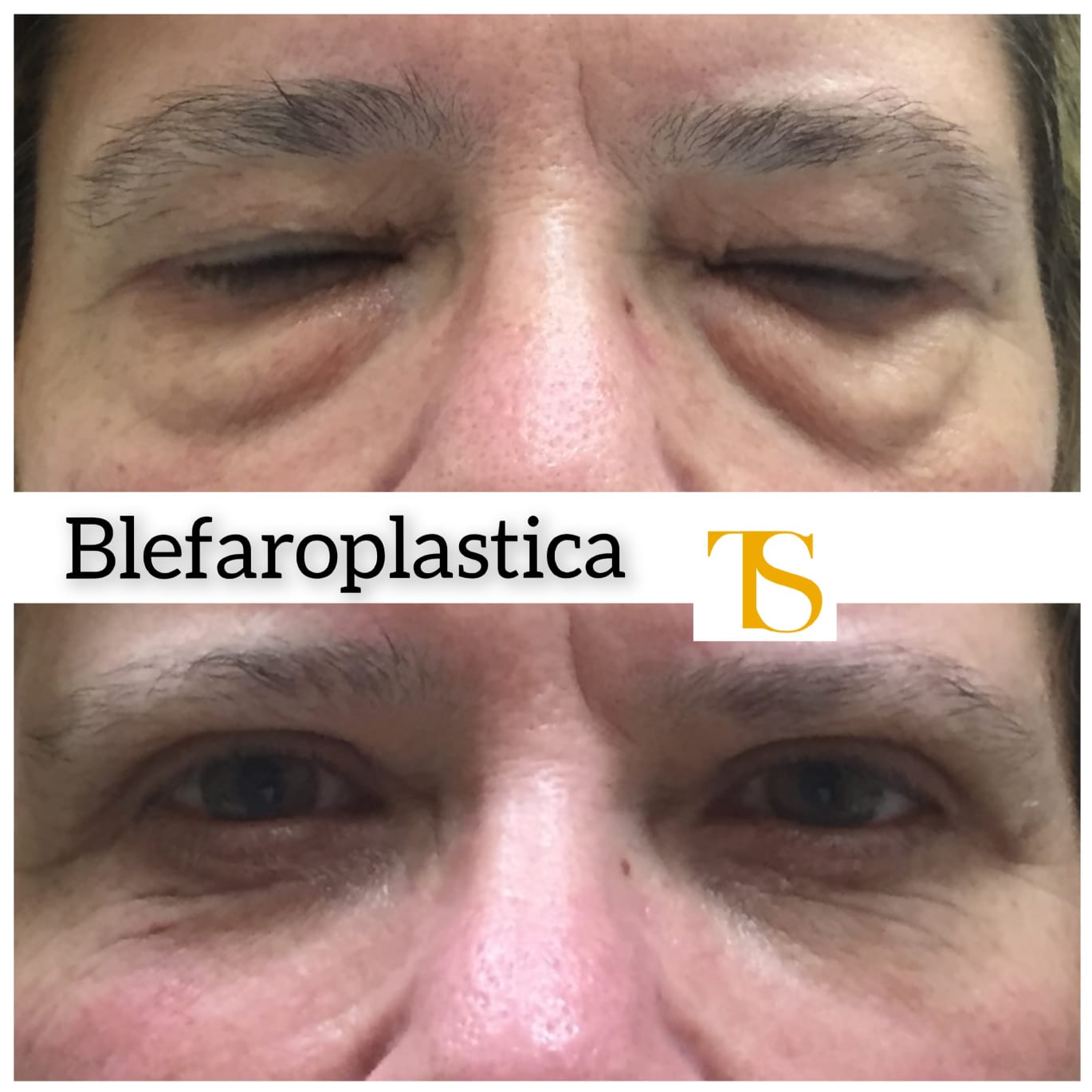
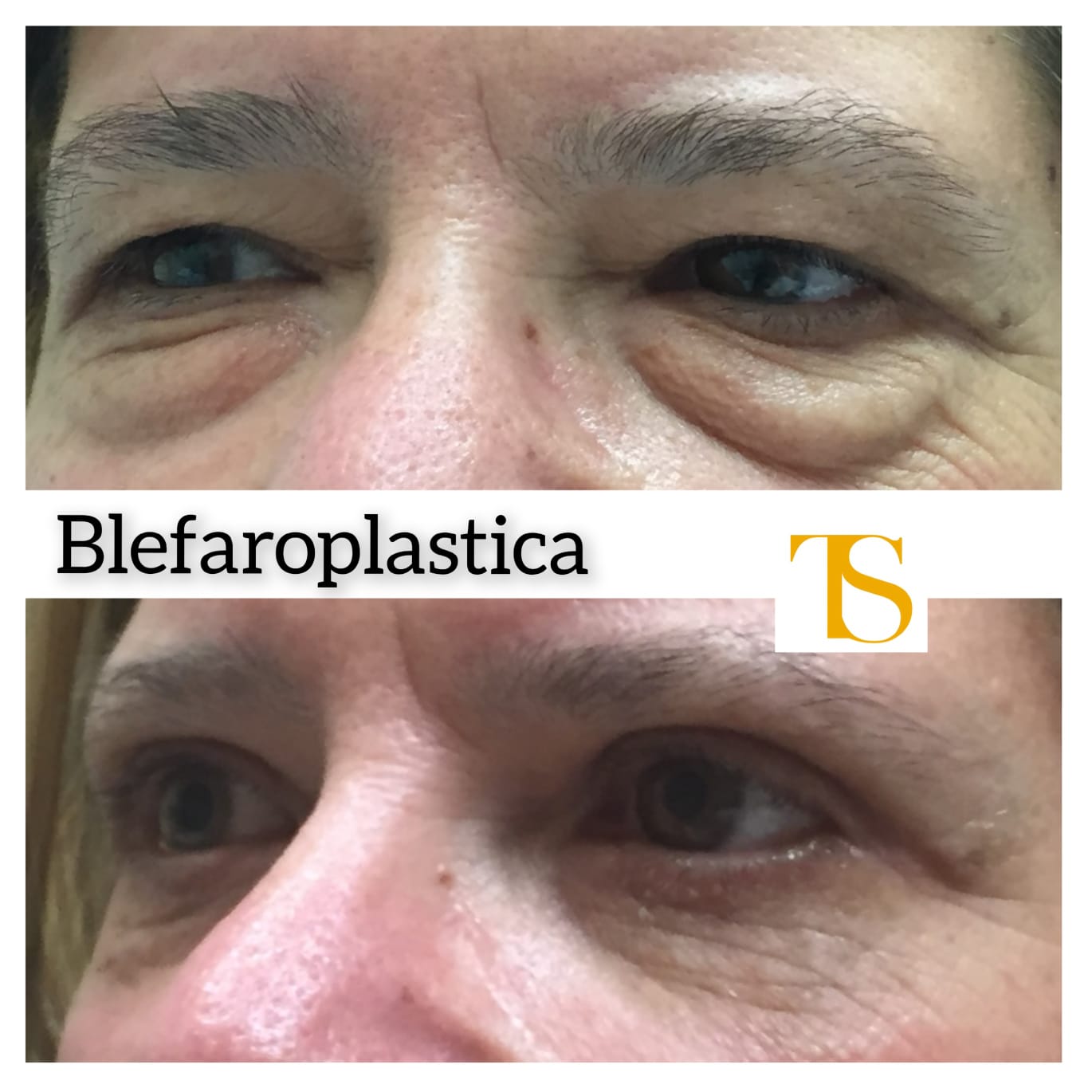
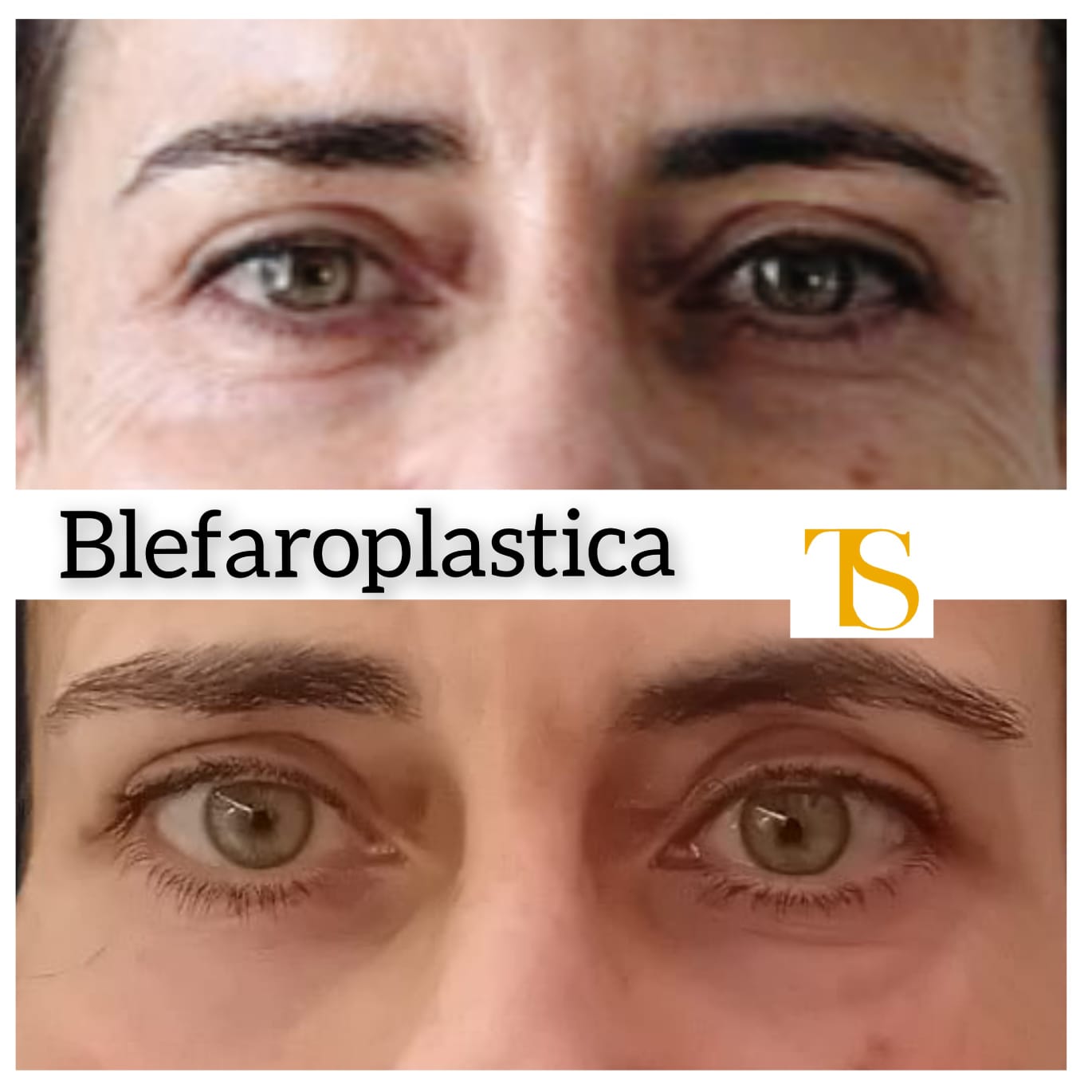
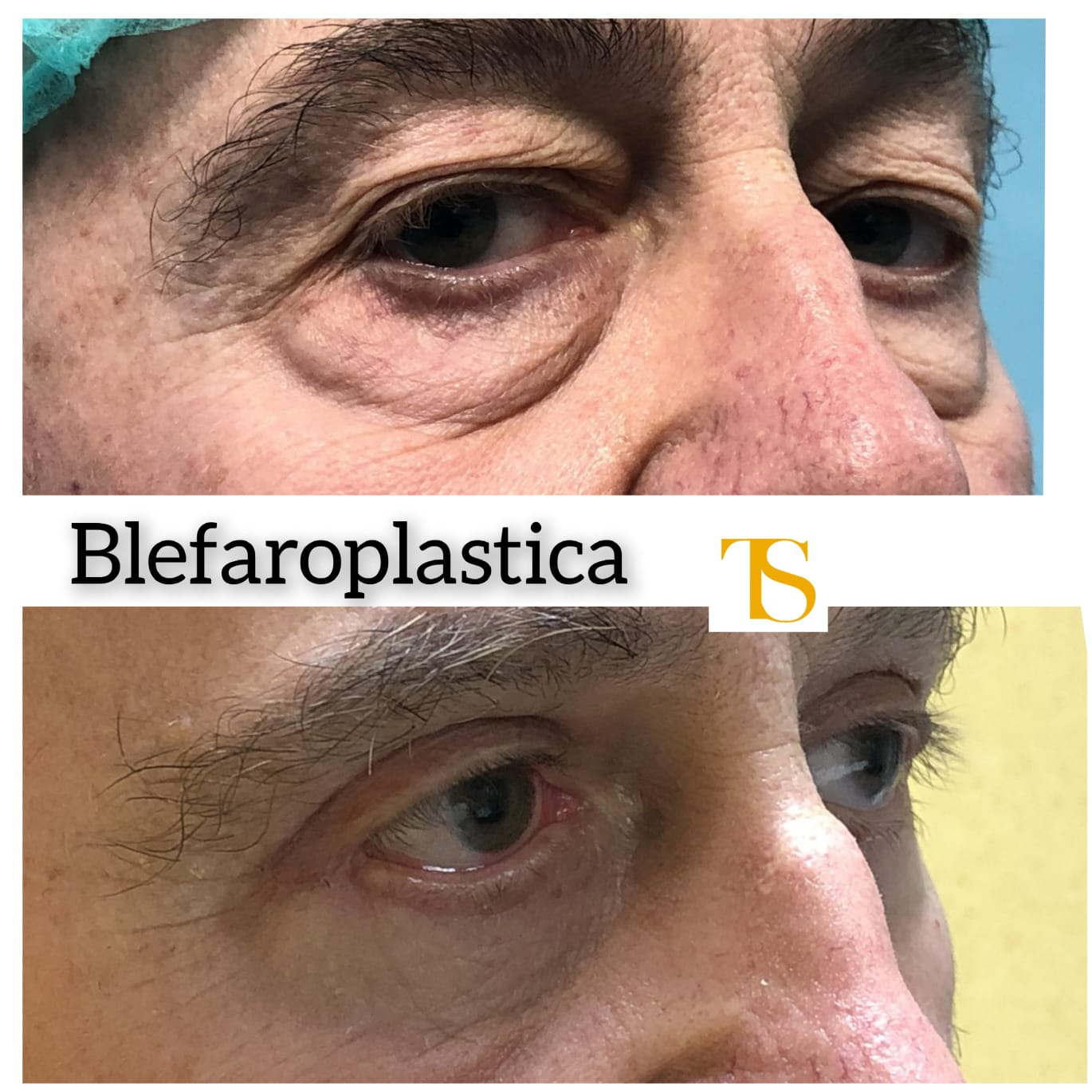
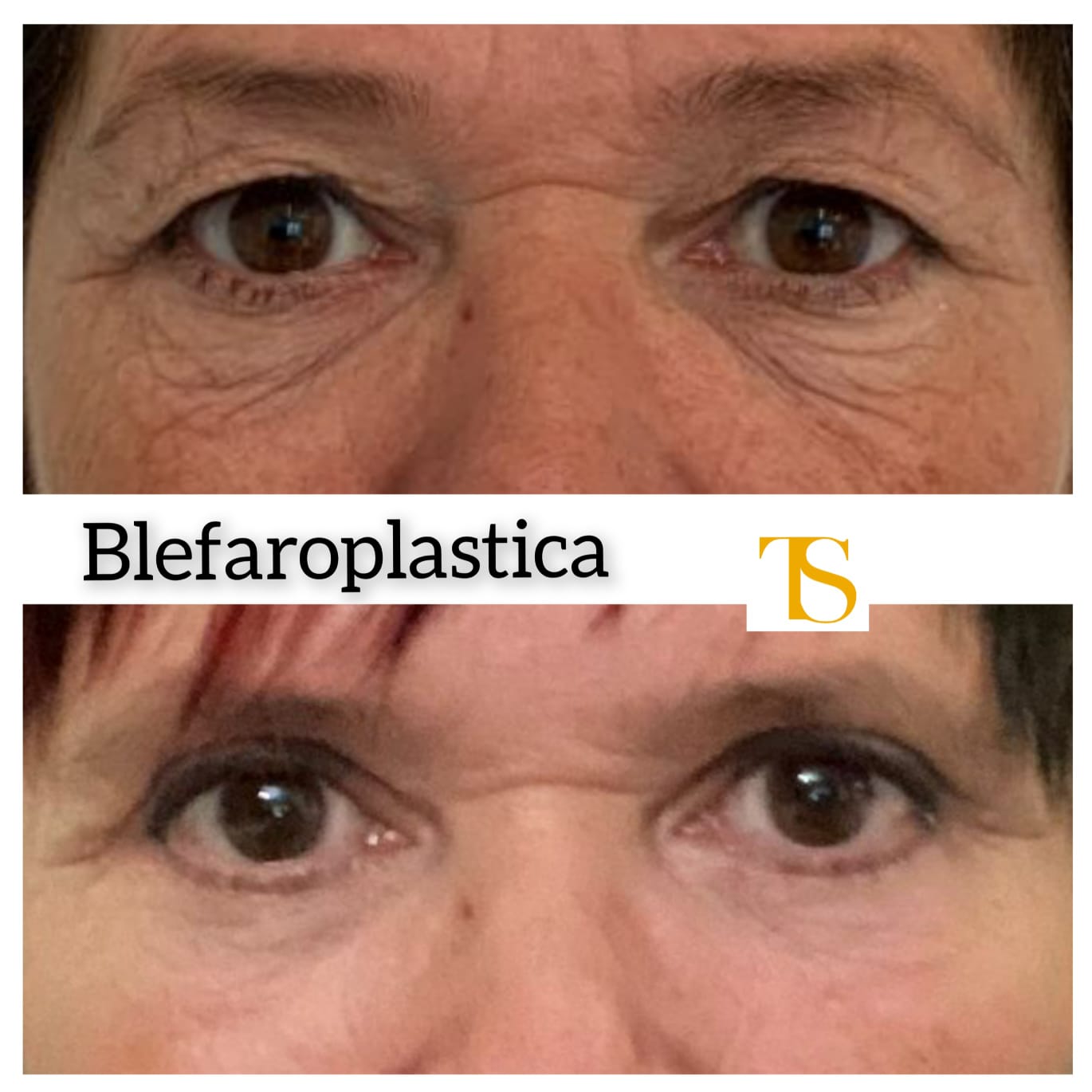
With blepharoplasty aka cosmetic eyelid surgery, you can remove the skin and excess fat from the eyelids and reposition a drooping eyebrow, restoring freshness, expressivity and vivacity to the look.
Upper and lower blepharoplasty are extremely effective aesthetic procedures for both men and women.
The eyes are the mirror of the soul and also our business card in interpersonal communication. That is why it ‘s enough to operate the eyes to give the whole face a new light and beauty.
Aesthetic defects and solutions
For physiological reasons and more frequently related to age (generally after the age of 35), the upper eyelids tend to relax, forming an unnatural skin fold, while lower eyelids may swell or form creases (eye wrinkles).
The most common eye imperfections, those that make-up cannot correct, affect the eyelids: wrinkled, heavy or with greasy pockets so that face expressions are affected by these defects, giving the patient a tired, sad and, usually, older look than the real age. Another problem that Dr. Tommaso Savoia frequently faces is that of crow’s feet and other wrinkles around the eyes.
Emptying of the orbital cavity
Sometimes the lower eyelid undergoes an hollowing of the orbital cavity, which can be constitutional or due to excessive weight loss: this is often associated with a “scleral show or “round eye” gaze when it is possible to see the white part of the eye between iris and the ciliary rhyme.
The failure of the external canthus of the eye is due to aging (Chondromalacia) and causes dry eye syndrome due to excessive congiuntiva and corneal light exposure. In these cases, the lower eyelid is strengthened by a suspension stitch of the outer edge of the eyelid (Canthoplasty). This way, the eyelid remains firmly attached to the eyeball, reducing its dryness as well.
To fill the hollow orbital cavity border and improving support on the eye ball and look of the eye , it is also performed a lipofilling on the area between the cheek and the malar orbital bone.
Blepharochalasis
the blepharoplasty is also indicated when the skin failure (Pseudo ptosis, blepharocalase or dermatocalase) of the eyelids is such severe as to form a small curtain in front of the eyelashes. The defect may even reduce the visual field up to 60%, as is the case with very marked oriental eyes.
Another case of blepharoplasty occurs when tissues with fat around the eye (orbital septum) collapse, forming hernias or fat bags: these are those unsightly swellings which give the eyes a sense of tiredness to the eye.
Functional disorders and solutions
In addition to cosmetic problems, blepharoplasty can fix various functional problems of the eye.
Specialist examination
It is up to the plastic surgeon, through a detailed specialist visit and a comparison with the patient, to evaluate the best solution, in some cases, surgery will be necessary, in others non ablative blepharoplasty or laser surgery, or the latest medical innovation amongs non-surgical cosmetic treatments.
Dr Tommaso Savoia prior to surgery will ask patient if any associated eye syndromes are present like dry eye, myopia, glaucoma, facial nerve insufficiency, drooping eyebrows or recent Botox treatments.
Then he will evaluate a number of surgicale parameters:
-Failure of upper eyelid tissues
-upper eyelid folds up to reduce vision ability
-“Tired” and “sad” appearance caused by tissue loss
-Upper and lower eyelid bags or any swellings
-Downward orientation of the tail of the eye (slanted external canthus)
-Eyebrows too close to eye aperture
-Dark and deep circles under the eyes
At the time of the visit, the cost of the surgery (including all surgical and post-surgical phases) will be precisely determined and the treatment plan will be agreed with the patient.
Cosmetic Eyelid Medicine– The filler to correct dark eyes circle
There are situations where the eyelid appears empty because the patient has lost weight or the tissues have collapsed, or in cases of HIV where fat was absorbed, so it is possible to restore an aesthetically pleasing appearance through an outpatient treatment with a filler called RADIESSE® – Merz Aesthetics based on calcium hydroxyapatite, a natural, absorbing substance present in the bones. The benefits are due to a natural appearance which does not swell the eyelids and lasts longer.
The surgical alternative is lipofilling that is best done within a blepharoplasty session since it is an operation and the recovery time is longer.
Preparation for surgery
Surgery of the drooping eyelid and, more generally, blepharoplasty, is not considered an invasive intervention. However, for the full protection of the health of the patient and to ensure the maximum outcome of the surgical correction, Dr. Tommaso Savoia during the preliminary visit will prescribe a series of preoperative examinations:
– blood counting formula leukocyte, blood glucose, creatinine, blood urea, plasmatic electrolytes (chlorine, calcium, potassium, sodium), total proteins, liver function (ast, alt), coagulation (pat, PTT).
– Electrocardiogram
– anaesthesiology examination
The consumption of any kind of medicine or supplement must be communicated to the specialist, who evaluates its possible suspension. A week before blepharoplasty the consumption of medicines containing acetylsalicylic acid shall be suspended because it would prevent proper healing. Alcohol and cigarettes must also be avoided.
Surgery
The procedure is performed as a outpatient procedure under local anaesthesia with intravenous sedation, takes about one hour mentre il ritorno al sociale è in circa 8-10 giorni
Upper blepharoplasty
The incisions on the upper eyelid skin follow a precise pattern. On the skin it appears an elliptical shape of what will be removed alongside the supratarsal fold as entire length of the eyelid. Doctor Savoia proceed to separate the skin from the adipose and muscular tissue, removing with the scalpel what exceeding relaxed . The incisions and therefore final scars will coincide and be hidden within the skin’s natural expression fold .
Along the same incision will be removed also the fatty medial herniated bags.
Lower blepharoplasty
By removing excess fat and tightening the skin at lateral corner , this procedure corrects the lower part of the eyelid, which may appear swollen and tired due to tend to the protrusion of the eye ball and the fatty bags the support in the orbital cavity. The incision under the eyelashes allows to remove some skin and tightening it so to reduces micro roughness in the inner part of the lower eyelid.
In most cases to reach the best result excess fat bags are removed. Sometimes, however, fat is just transferred where the dark eye circle seems emptied (usually into the inner part, toward the nose). In this way blepharoplasty rejuvenates by filling back the area that goes from the nose to the centre of the eyelid, correcting the hollowing due to tissue loss from aging. This defect is known as tear-through deformity (Or “lacrymal lake”, because the tears stop in this area to form “a lake”, instead of going down as a stream along the complete cheekbone).
The lower blepharoplasty through a subciliar incision (within 2 mm of ciliary rhyme) corrects the following defects.
-lower fat bags: these are removed when excessive and redundant
-lower eyelid wrinkles due to skin laxity and excess activity of the orbicular muscle: the muscle is stimulated and a part of the skin is removed under the lashes (pretarsal orbicularis),
– emptying of the orbital frame (by weight loss or by physical characteristic): the endo-orbital fat is transferred into the orbital rim
– “scleral show” o “round eye” gaze: in this case the white part of the eye between the iris and the ciliary rhyme is more visible due to tarsal ligament laxity o eyeball protrusion( thyroid exophtalmus : the eyelid is put back into tension externally or the muscles are pulled upwards by means of a Cantoplasty.
Transconjunctival blepharoplasty
The lower transconjunctival blepharoplasty is performed usually in subjects under 40, who have a swelling of the lower eyelid without skin excess and rugosity that resemble a dark undereye circle. It is generally a hereditary defect in which fat accumulates in fat bags that protrude out of the eye’s orbit giving a tired look to the eye.
The procedure does not involve the removal of excess skin. The incision is made inside the eyelid on the palpebral congiuntiva (also with laser) and allows to empty in a very atraumatic way the greasy hernias.
No external incisions are needed and the internal points are resorbable in 6 days.
Internal eyebrow lift
Internal eyebrow lift is a procedure that is usually performed together with upper blepharoplasty and allows to lift the lateral part of the eyebrow which, due to of the aging process, naturally tends to droop. Some non resorbable stitches are applied between the orbicularis muscle just attached to the lateral eyebrow tail and the periosteum of the frontal bone on the superior orbital rim.
Healing times
On the first night after surgery the patient will have light dinner and must be assisted Symptoms such as tiredness and numbness will be completely normal. Some local swelling is normal and will not last more than a few days. In the first few days the vision will be impaired by the presence of patches that do not allow the normal movements of the eyelids.
Removal of surgical stitches occurs after 5 days, any bruising disappears after about 9 days while the scars will start to fade from 10 days.
During the week following the procedure, the patient must take the antibiotics prescribed by Doctor Savoia and apply in the eyes protective and lubricant eye drops.
There are no bandages. Patches will be eliminated within a week.
The physiological swelling will reabsorb within a few days.
However, there are some simple precautions to follow carefully:
use ice or cold packs
sleep with head up (using two pillows) for at least 7 days
Don’t get tired with reading or TV
do not use contact lenses
avoid the consumption of alcoholic beverages.
use dark sunglasses
Price
Prices for plastic surgery on eyelids vary from case to case.
What basicly affect the final cost are the type of anesthesia, the need for hospitalization or not, etc.
Approximately the costs range from 1,500 to 4,500 euros.
USEFUL INFORMATION
Lasting
Complexity
Anesthesia
dressings
healing time
before /after